|
Sl. No.
|
Particulars in Field
|
Inputs
|
|
1
|
Event name
|
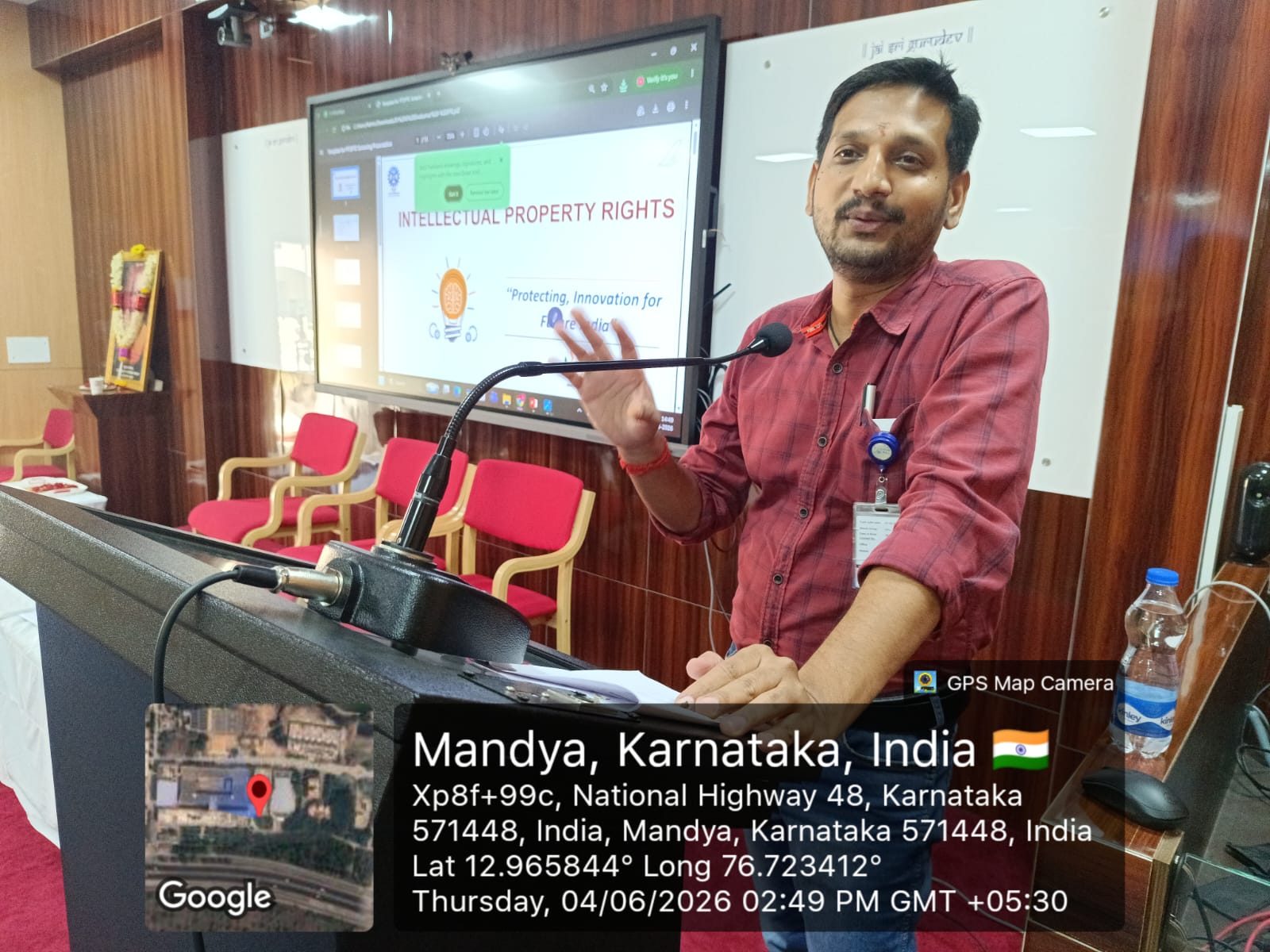
Guest Lecture on “Intellectual Property: Protecting Innovation for Future India”
|
|
2
|
Organizing Department/ Committee/ Others
|
ACU-Learning Resource Centre
|
|
3
|
Type of Event
|
Guest Lecture
|
|
4
|
Level of event
|
Institutional level
|
|
5
|
Collaboration / accreditation if any
|
AIMS-IQAC, Scientific Committee, and LIS Academy, Bengaluru
|
|
6
|
Dates/ and Duration
|
4th June 2026 / 2.15 p.m. to 3.45 p.m.
|
|
7
|
Venue
|
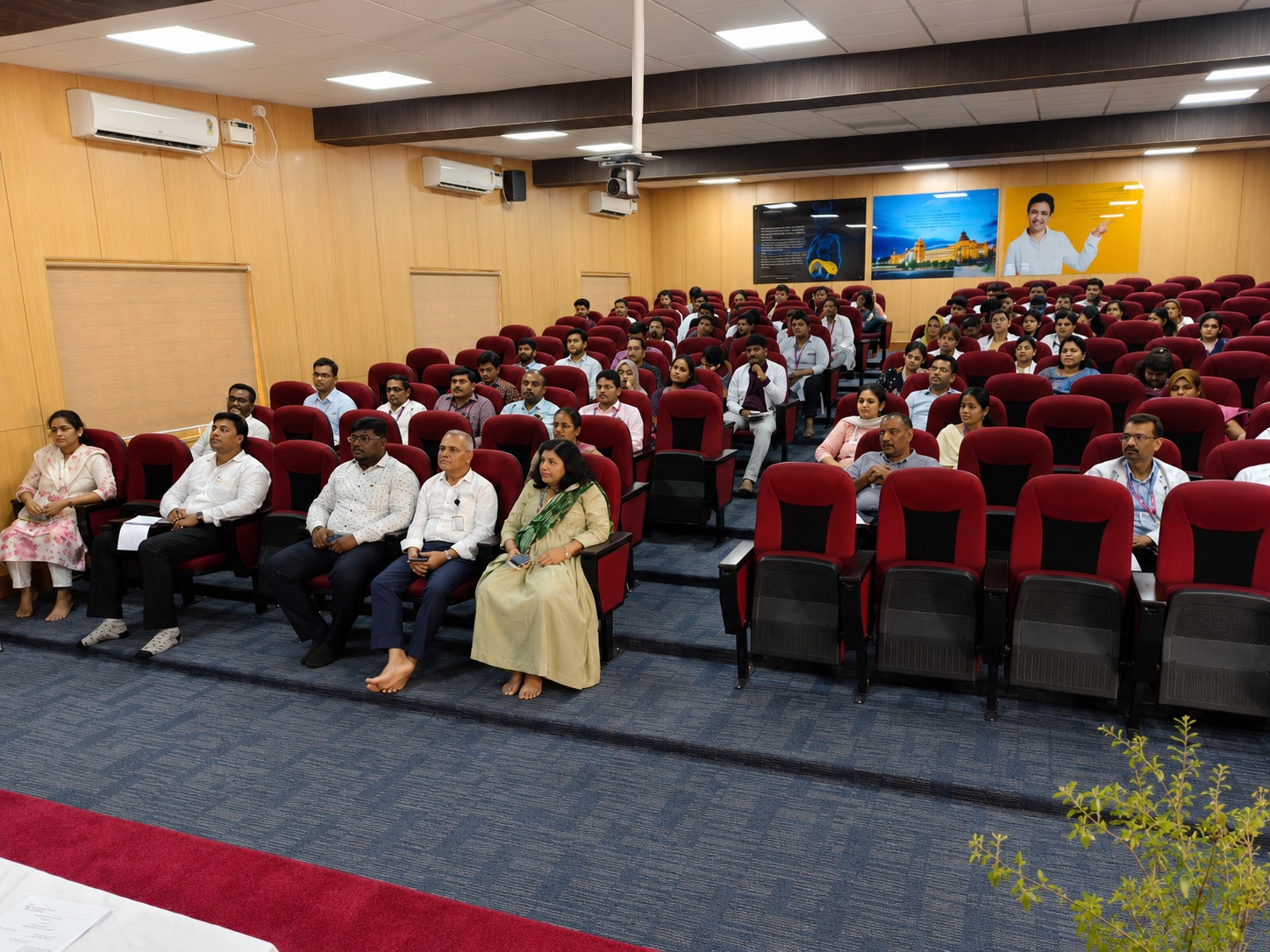
BGS Global Broadcasting Centre, AIMS
|
|
8
|
Details of delegates/ target audience
|
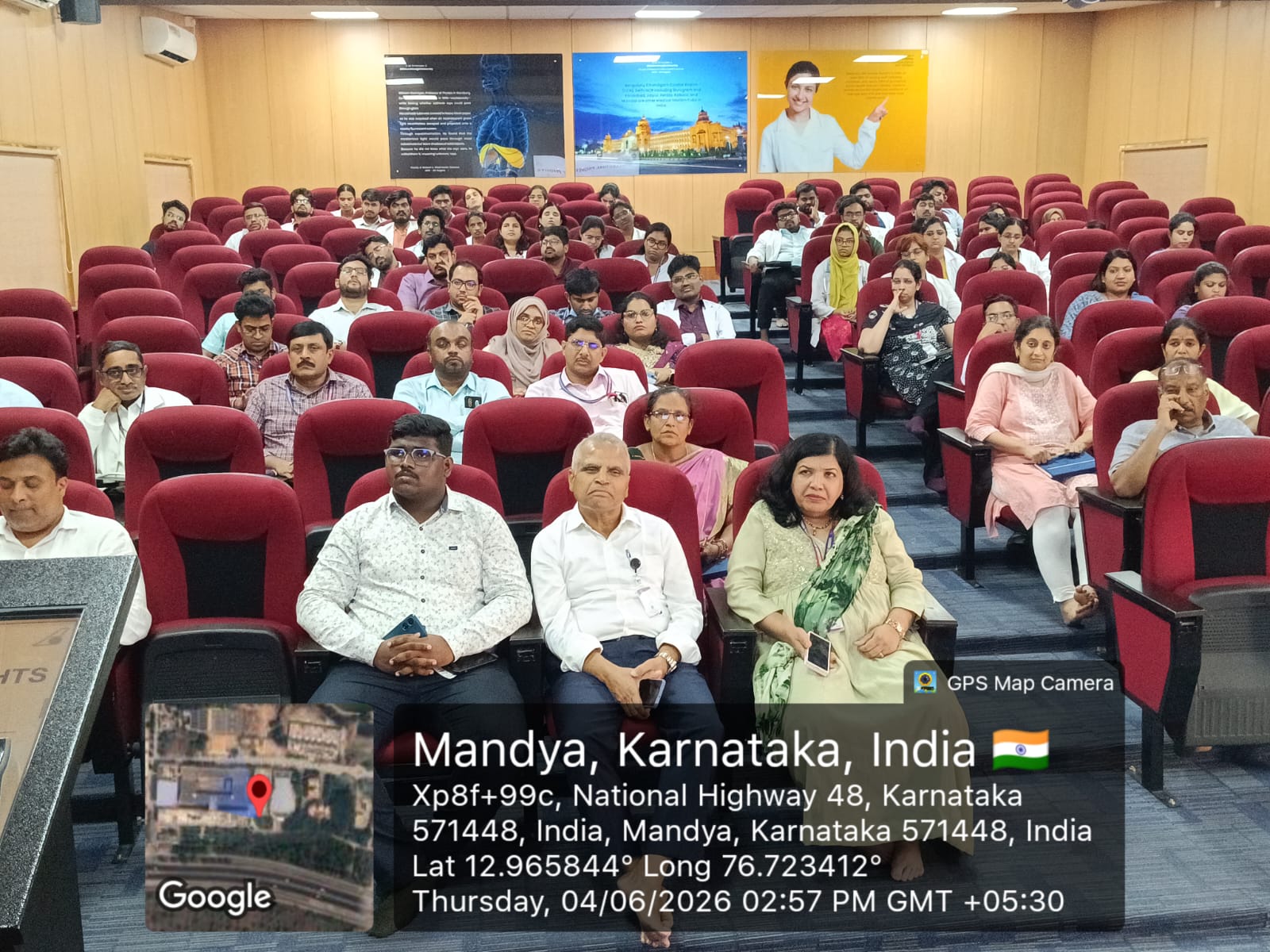
Medical faculty, first and second year postgraduates, ACU Librarians
|
|
9
|
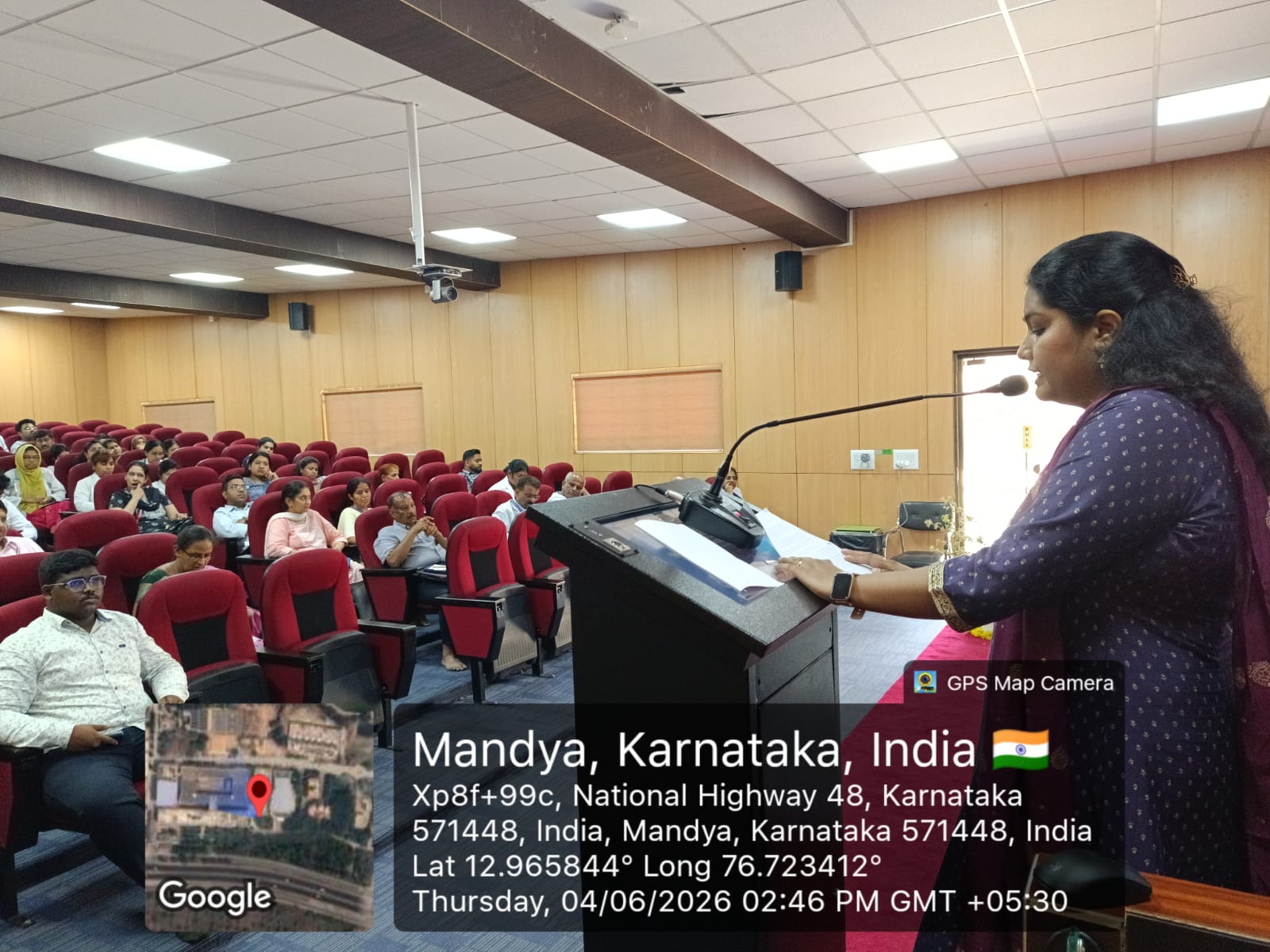
Total Number of delegates/ Audiences attended
|
103 participants
|
|
10
|
Objectives of the event
|
The primary objective of the session was to equip participants with the skills to:
– Create awareness about Intellectual Property Rights (IPR) and their importance in medical research and healthcare innovation.
– Familiarize faculty and postgraduate students with patents, copyrights, trademarks, geographical indications, and other forms of intellectual property.
– Enhance understanding of IPR in biomedical research, pharmaceuticals, medical devices, and digital health technologies.
– Encourage the protection of research findings, innovations, and academic contributions through appropriate IPR mechanisms.
– Provide insights into patent filing, technology transfer, and commercialization of healthcare innovations.
– Promote a culture of innovation, ethical research practices, and intellectual asset management.
|
|
11
|
Brief Report of the Event
|
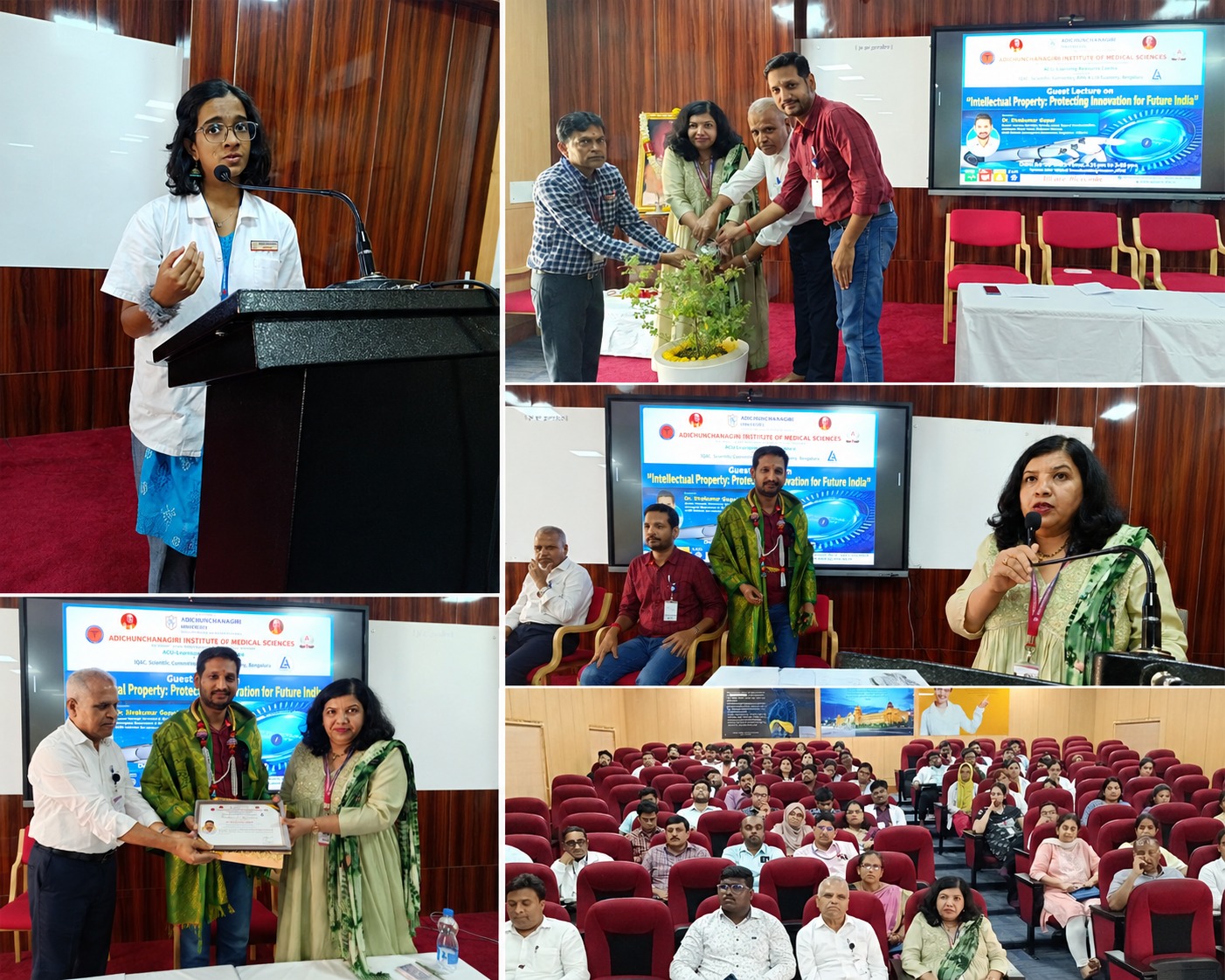
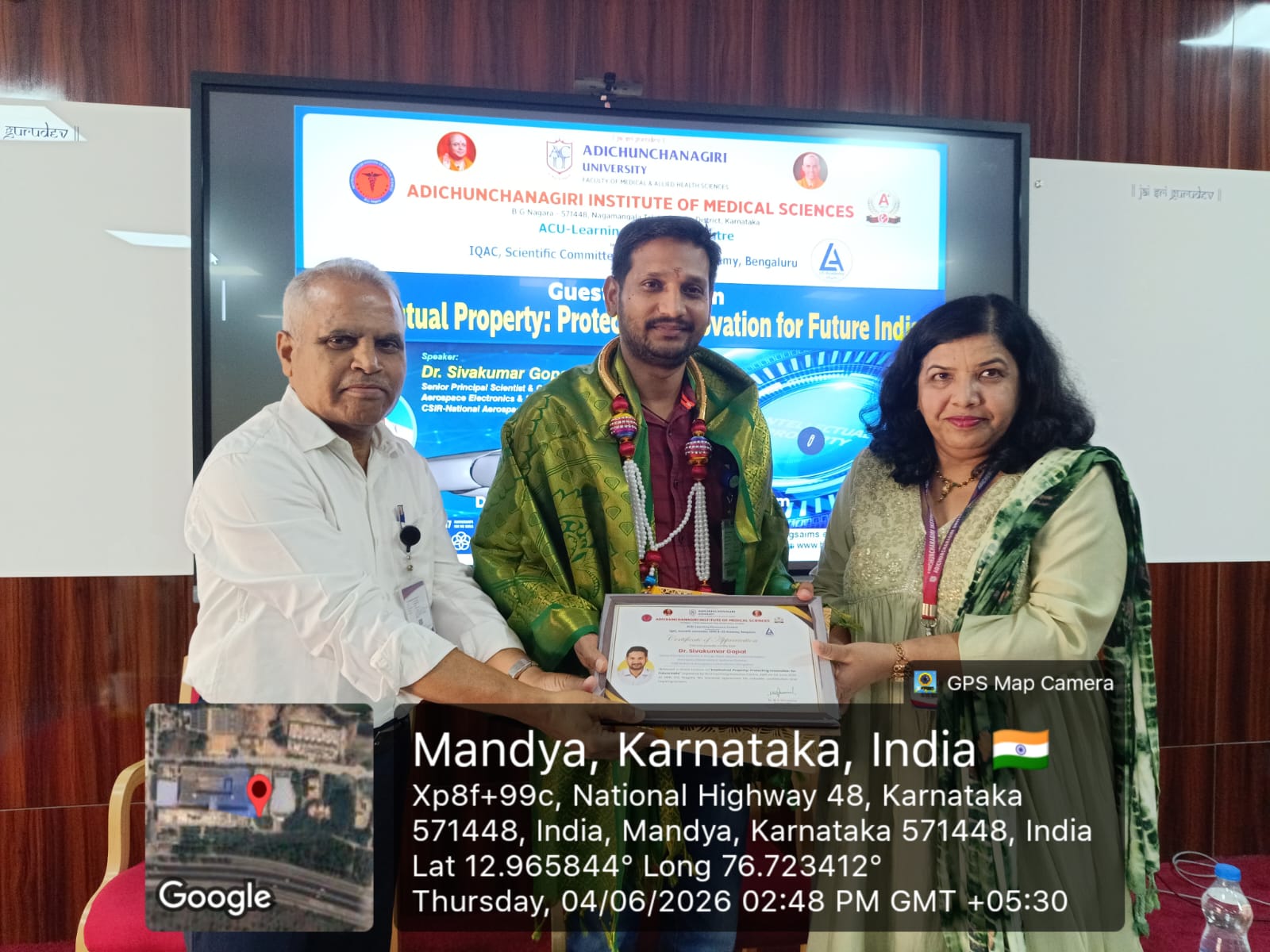
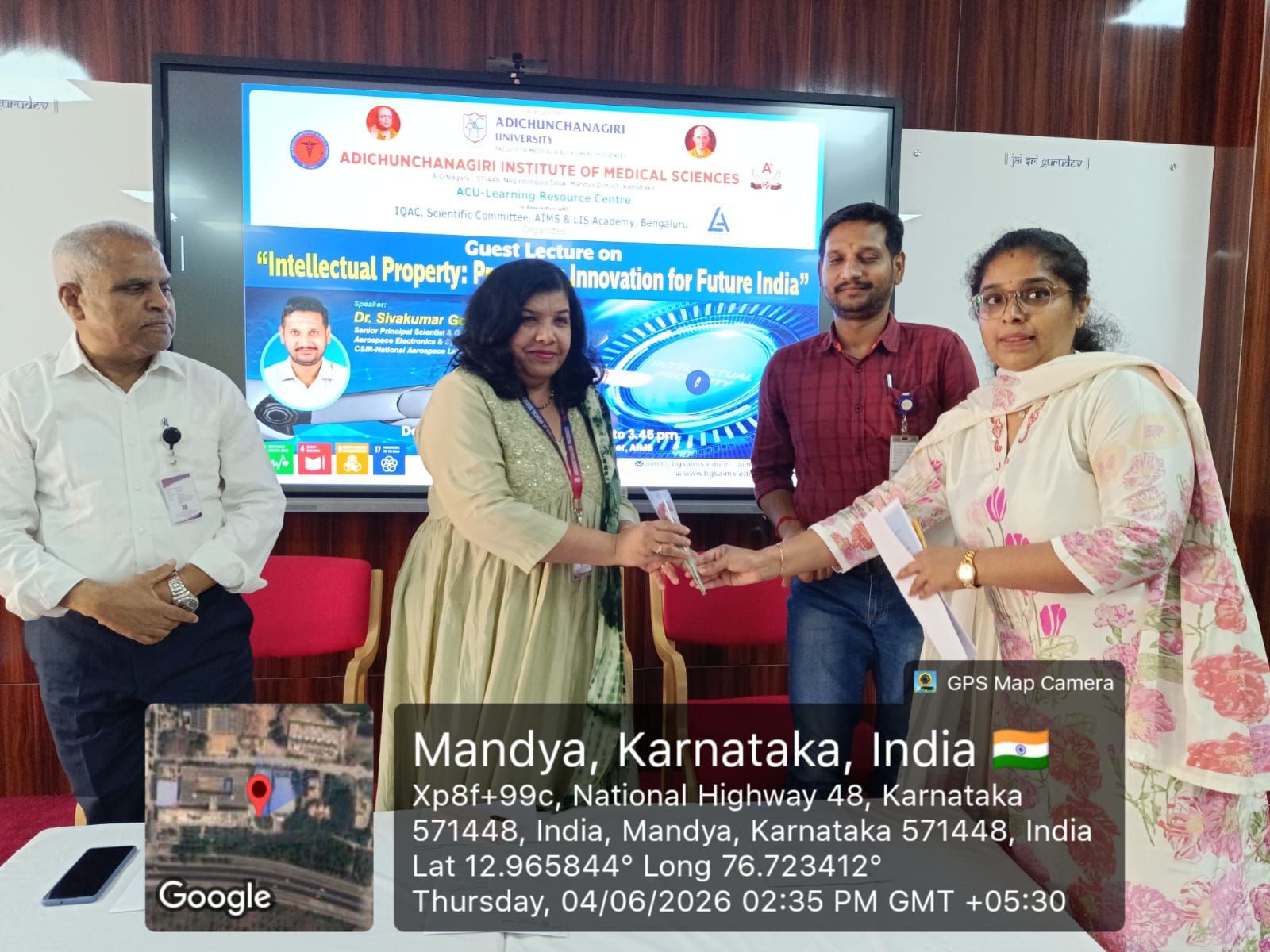
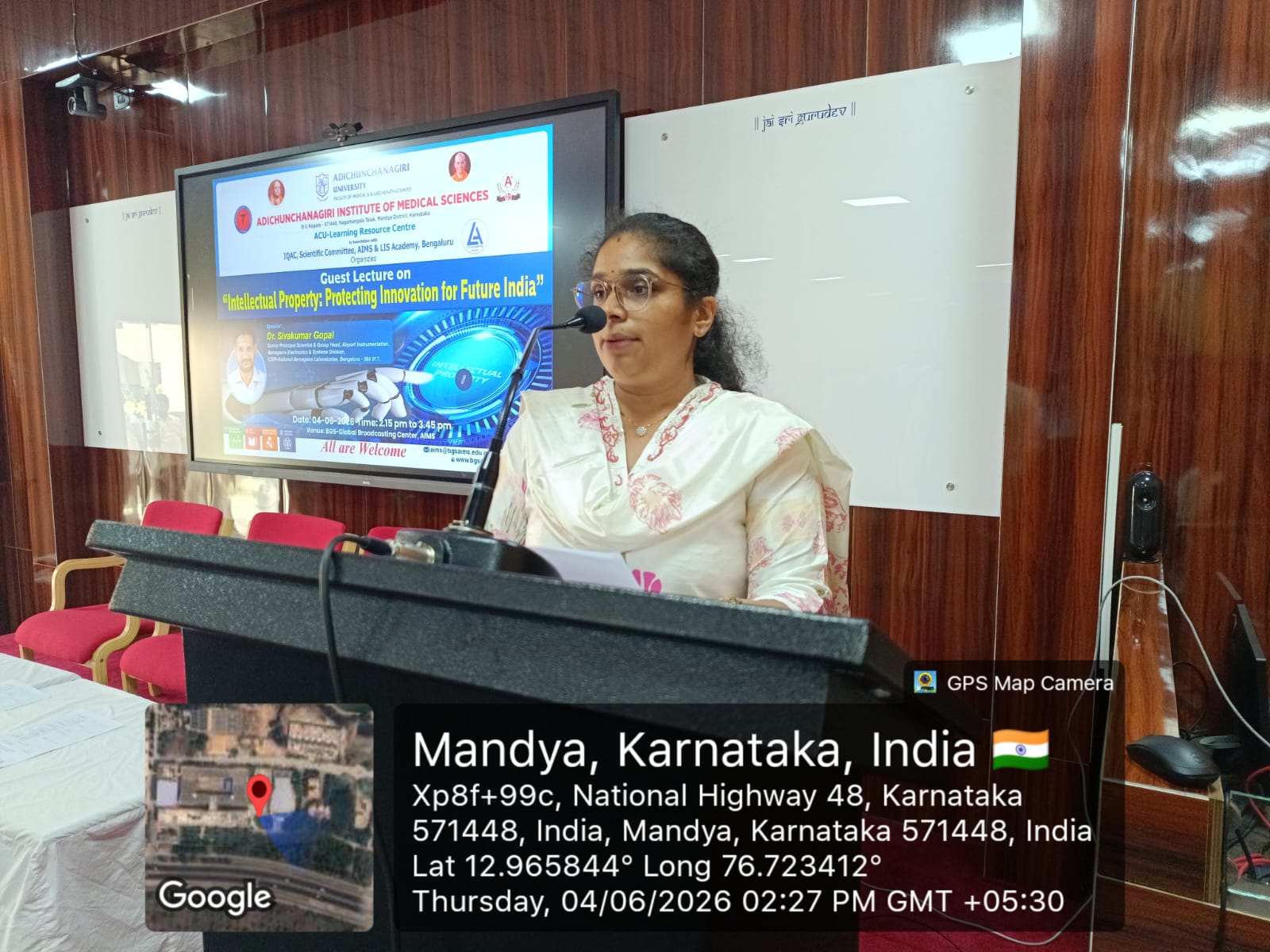
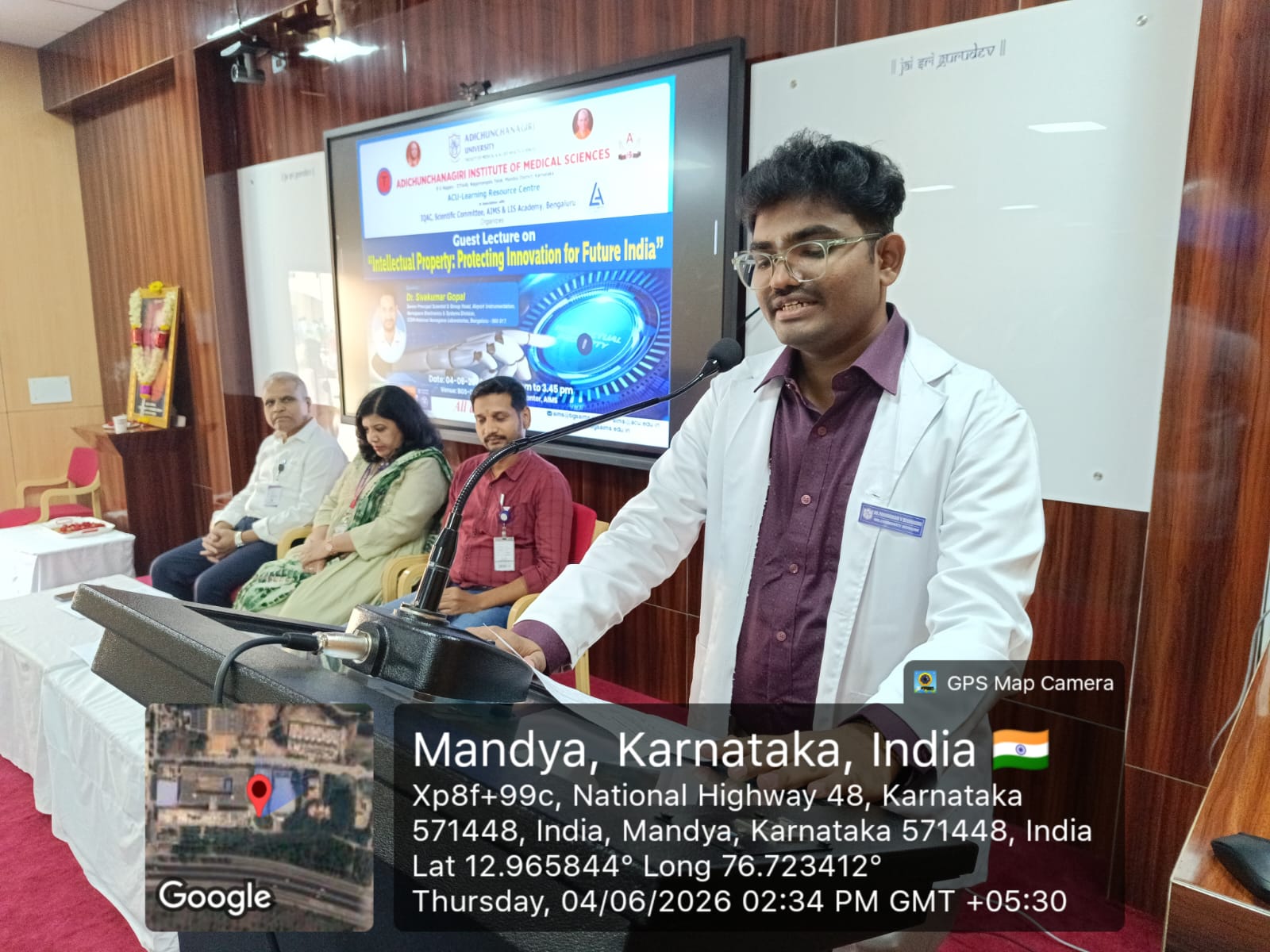
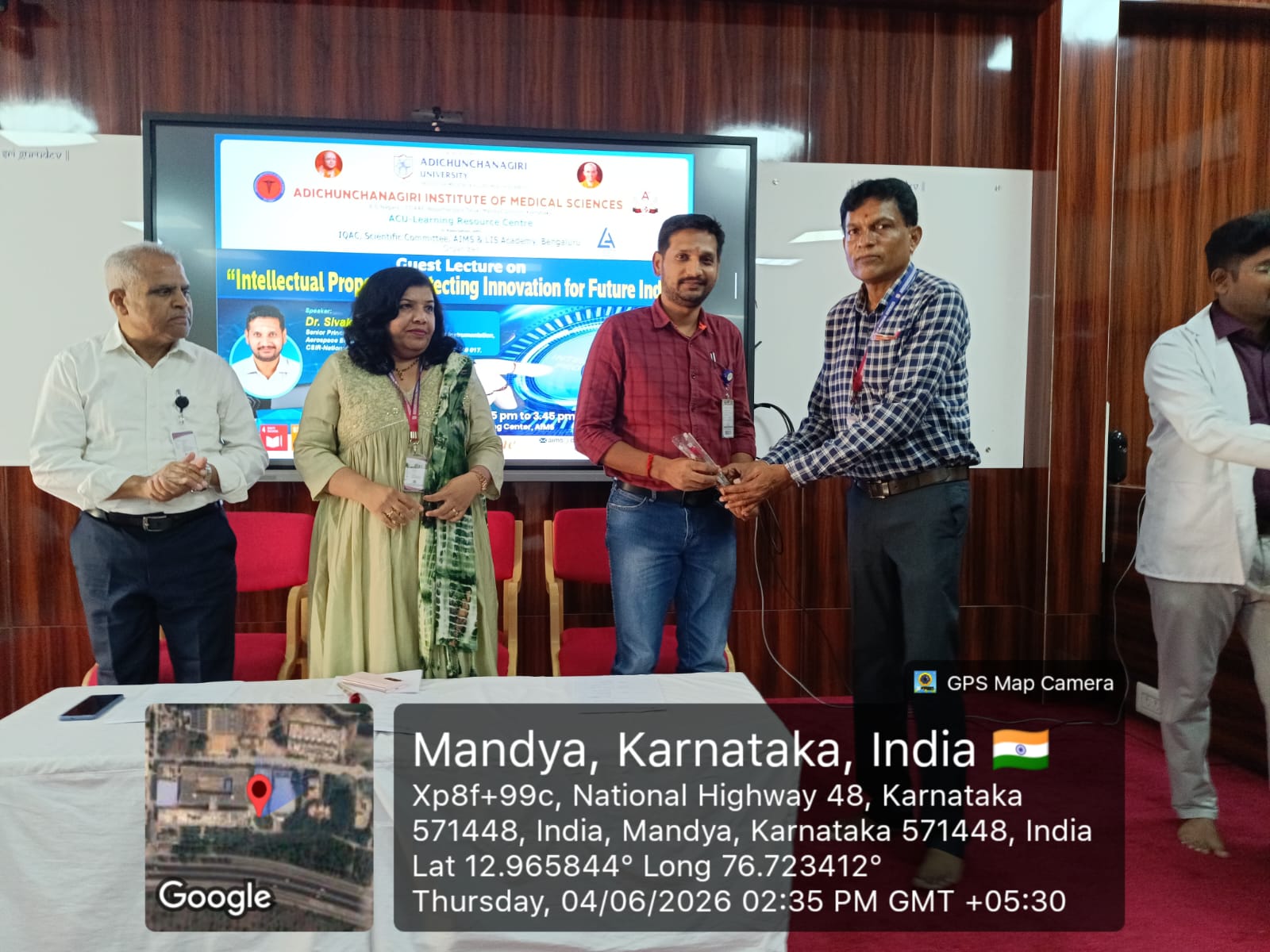
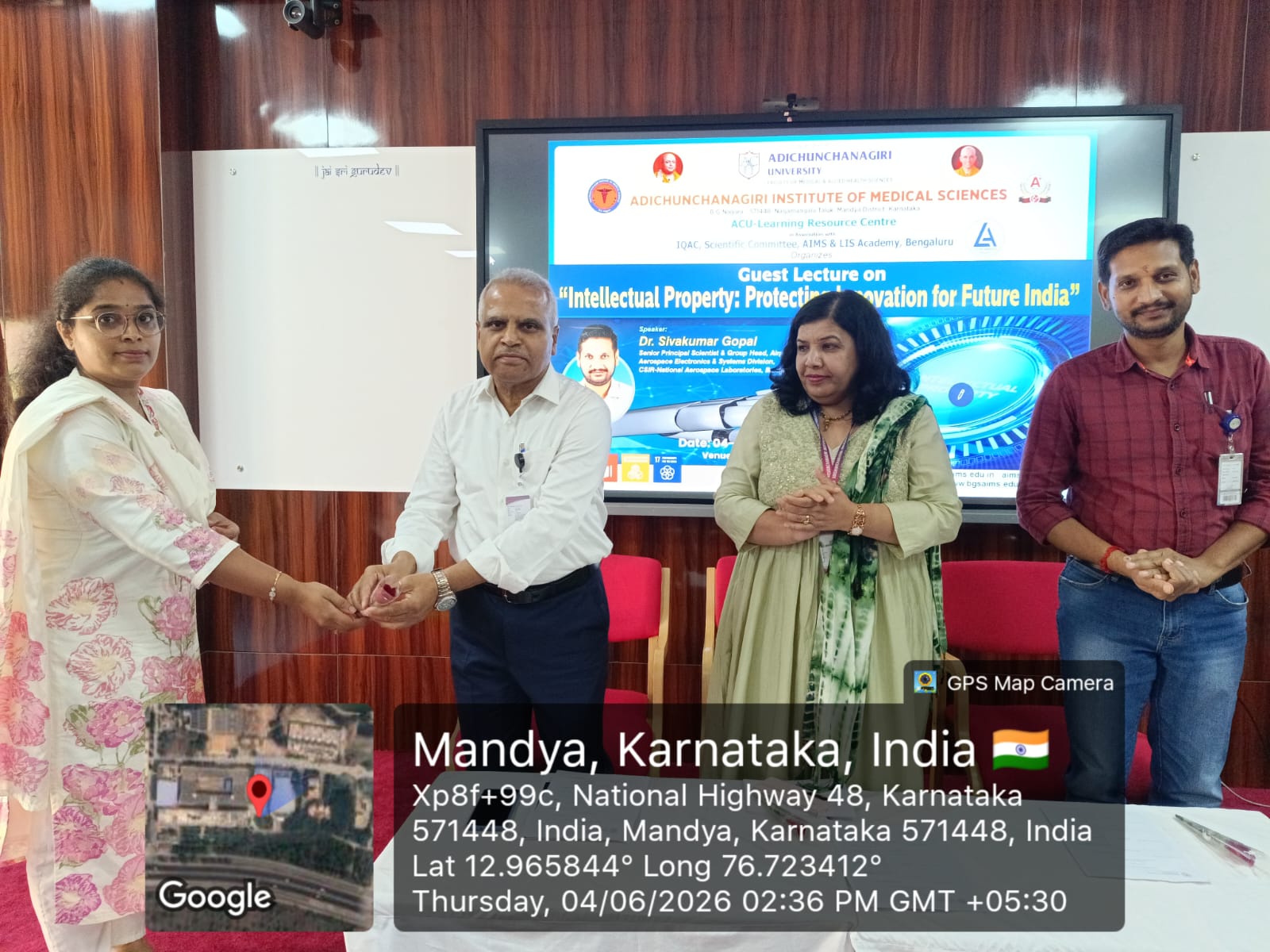
The guest lecture was conducted with enthusiastic participation from first and second year postgraduate students, faculty members, and library professionals. The session aimed to raise awareness among students and faculty about the importance of Intellectual Property Rights (IPR) in promoting innovation, creativity, and ethical conduct in research, education, and healthcare practice.
During the lecture, the speaker emphasized the importance of protecting innovative ideas and explained the procedures involved in securing intellectual property protection. Real-world examples of successful inventions, patents, and medical brands were presented to illustrate the practical relevance of IPR in the healthcare sector. Special attention was given to the ethical use of copyrighted content, patent application and filing procedures, technology transfer mechanisms, and other IPR-related matters pertinent to the medical domain.
The lecture was highly informative and enlightening, significantly enhancing participants’ understanding of Intellectual Property Rights and their role in safeguarding innovation. The speaker addressed participants’ queries with insightful responses and encouraged students to cultivate innovative thinking, pursue research-driven solutions, and protect their intellectual contributions through appropriate legal mechanisms. Overall, the session provided valuable knowledge and inspired attendees to recognize the importance of IPR in academic, research, and professional practice.
|
|
12
|
Feedback Analysis (Brief)
|
The feedback received from the participants indicated that the session was highly useful in practical terms and that the topic was explained clearly and effectively.
|
|
13
|
SDG’s Addressed
|
SDG 3: Good Health & Well-being;
SDG 4: Quality Education;
SDG 9: Industry, Innovation & Infrastructure;
SDG 16: Peace Justice for Strong Institutions;
SDG 17: Partnerships for the Goals.
|
|
14
|
Outcome
|
– Improved awareness and understanding of Intellectual Property Rights among faculty and postgraduate students.
– Increased interest in patent filing, protecting products and innovations, and medical research outcomes.
– Greater recognition of the importance of IPR in healthcare innovation and academic research.
– Encouragement of innovation, entrepreneurship, and translational research in the medical field.
|
|
15
|
Challenges Faced
|
No challenges faced during the session
|
|
16
|
Recommendations
|
Faculty members and postgraduate students are encouraged to familiarize themselves with the policies and procedures related to Intellectual Property Rights (IPR) to safeguard inventions, creative works, trademarks, designs, and other innovations. Particular emphasis should be placed on understanding the ethical use of copyrighted materials, patent filing procedures, and other forms of IPR relevant to the medical field. Such awareness helps promote innovation while ensuring legal and ethical compliance in research, education, and healthcare practice.
|