Faculty of Medical & Allied Health Sciences 08234-200433 / 436 / 242

World Suicide Prevention Day Gatekeeper Training Programme 2026

Adichunchanagiri Institute of Medical Sciences > Departments (AIMS) > Department of Psychiatry > World Suicide Prevention Day Gatekeeper Training Programme 2026

SL. No

Particulars in Field

Inputs

  1.  

Event Name

World Suicide Prevention Day Gatekeeper Training Programme 2026

  1.  

Organizing Department/ Committee/Others

Department of Psychiatry, Adichunchanagiri Institute of Medical Sciences

  1.  

Type of Event

Gatekeeper Training Programme

  1.  

Level of Event

Intra-University

  1.  

Collaboration/Accreditation if any

Department of Psychiatry

  1.  

Date/s and Duration

29-09-2026

  1.  

Venue

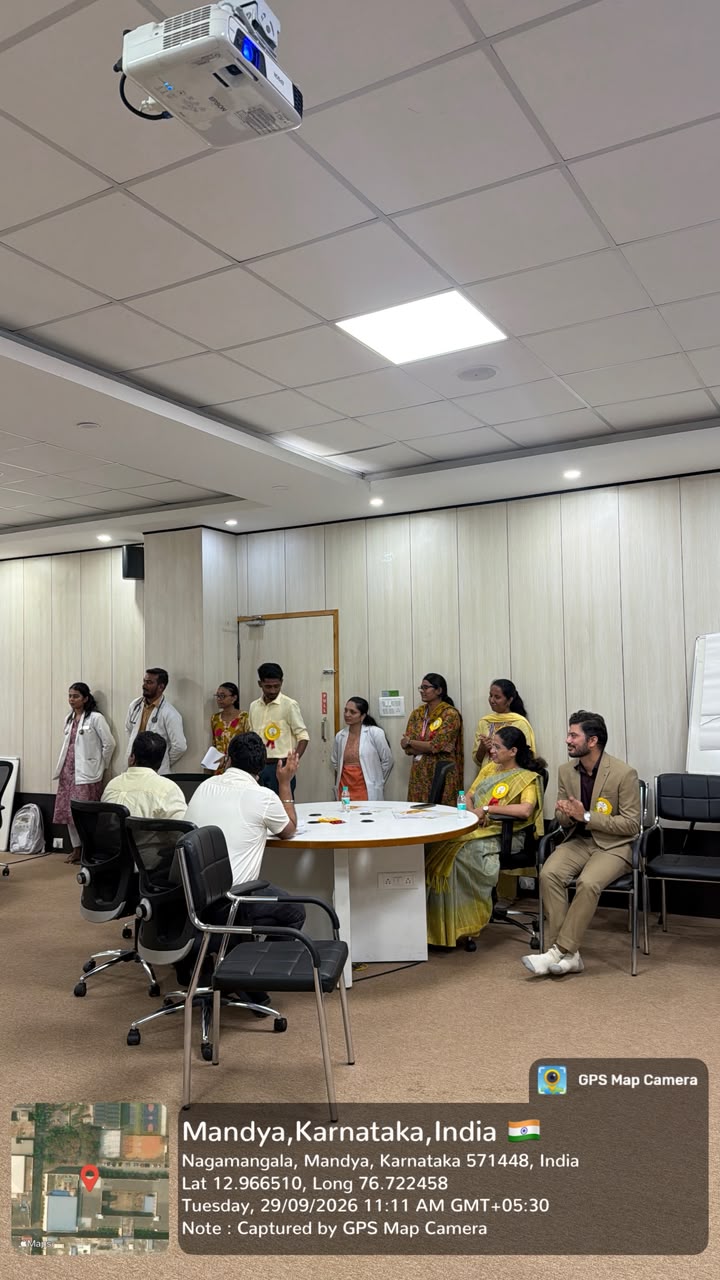
Department of Psychiatry, Adichunchanagiri Hospital and Research Centre

  1.  

Details of delegates /target audience 

Undergraduate and postgraduate medical students.

  1.  

Total Number of delegates attended from the institution

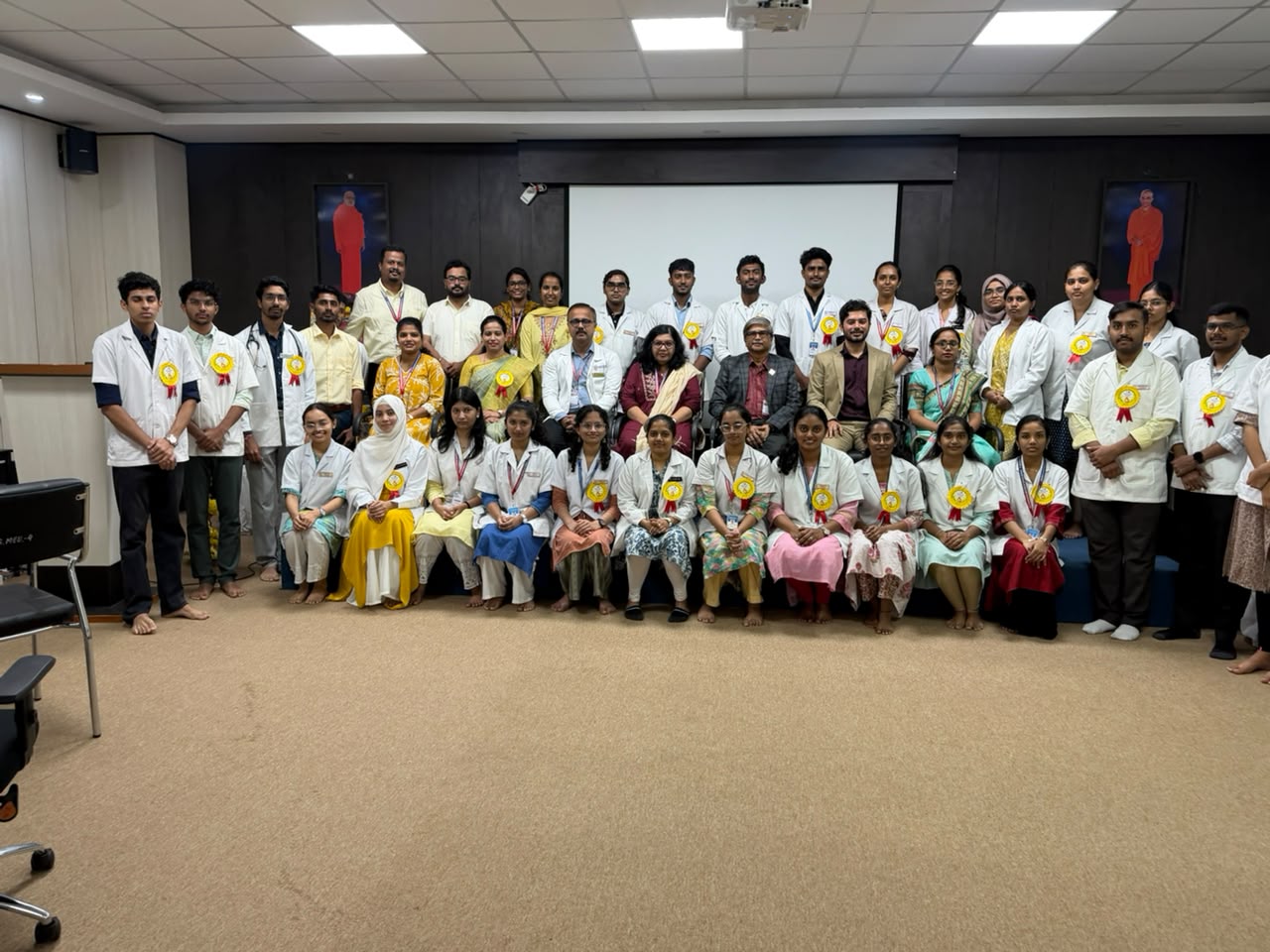
26 volunteer students


  1.  

Objective/s of the Event

To enhance awareness about the warning signs of suicidal behaviour and equip participants with skills to respond effectively

  1.  

Brief Report of the Event (in about 200 words)

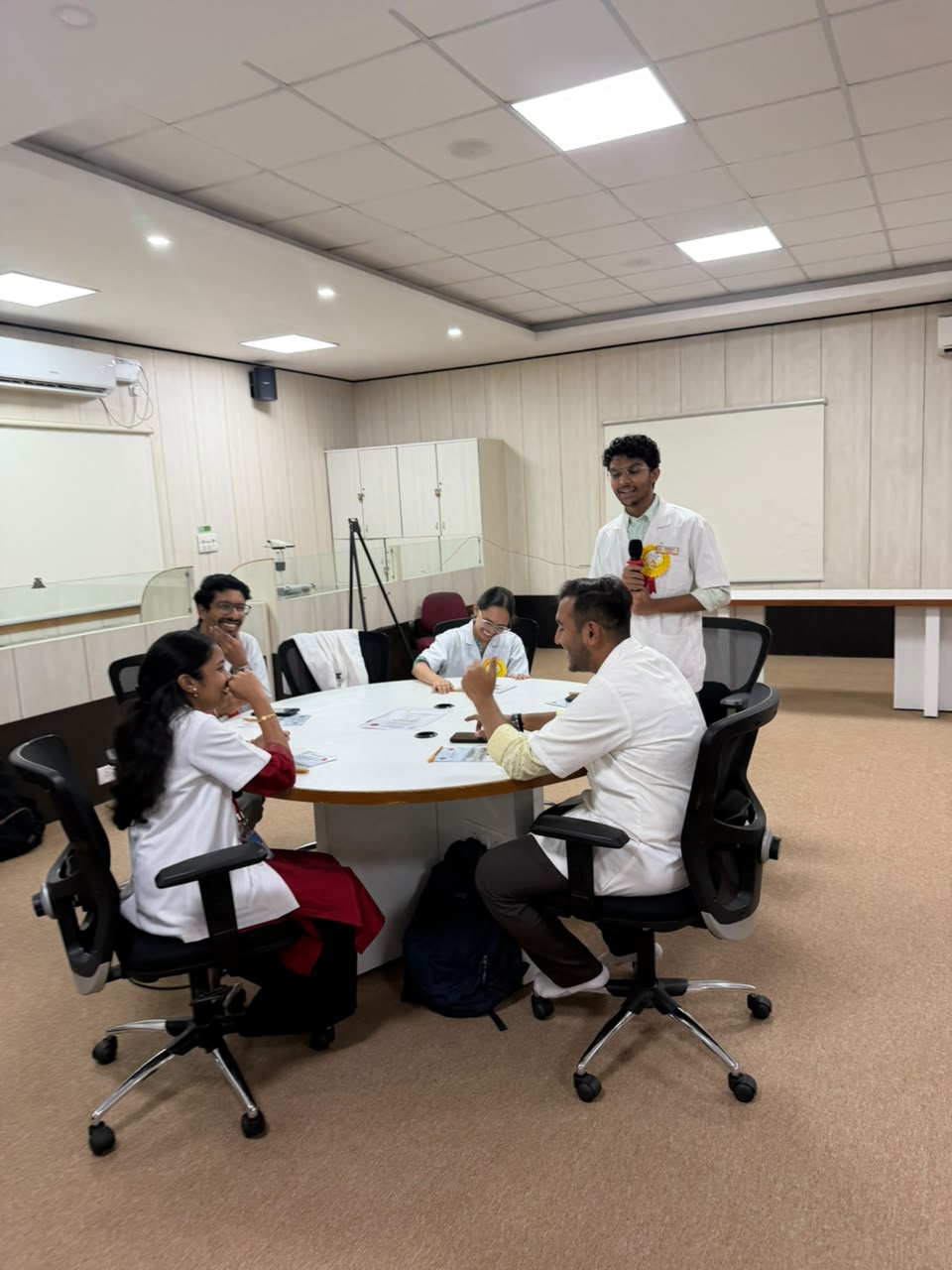
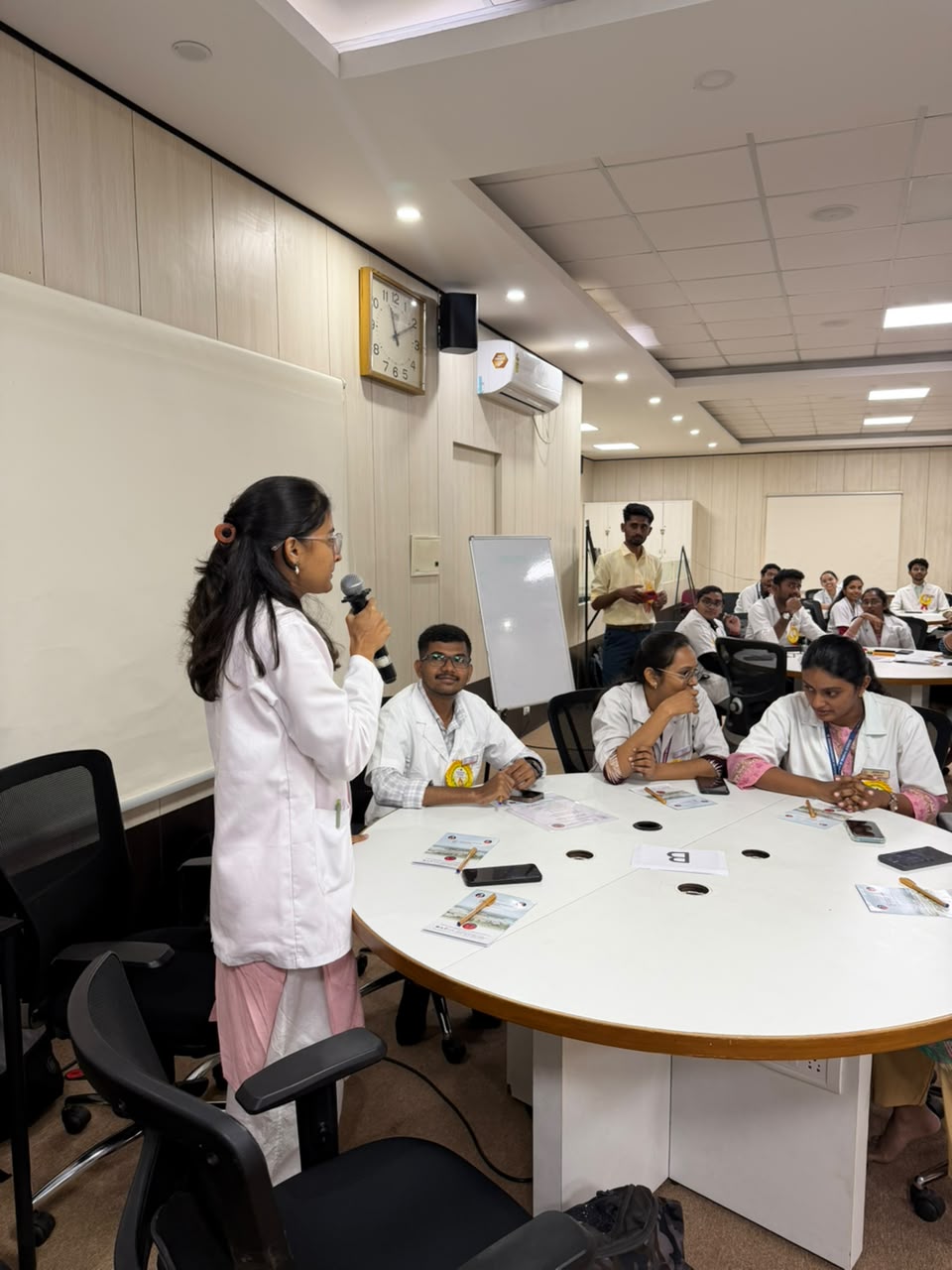
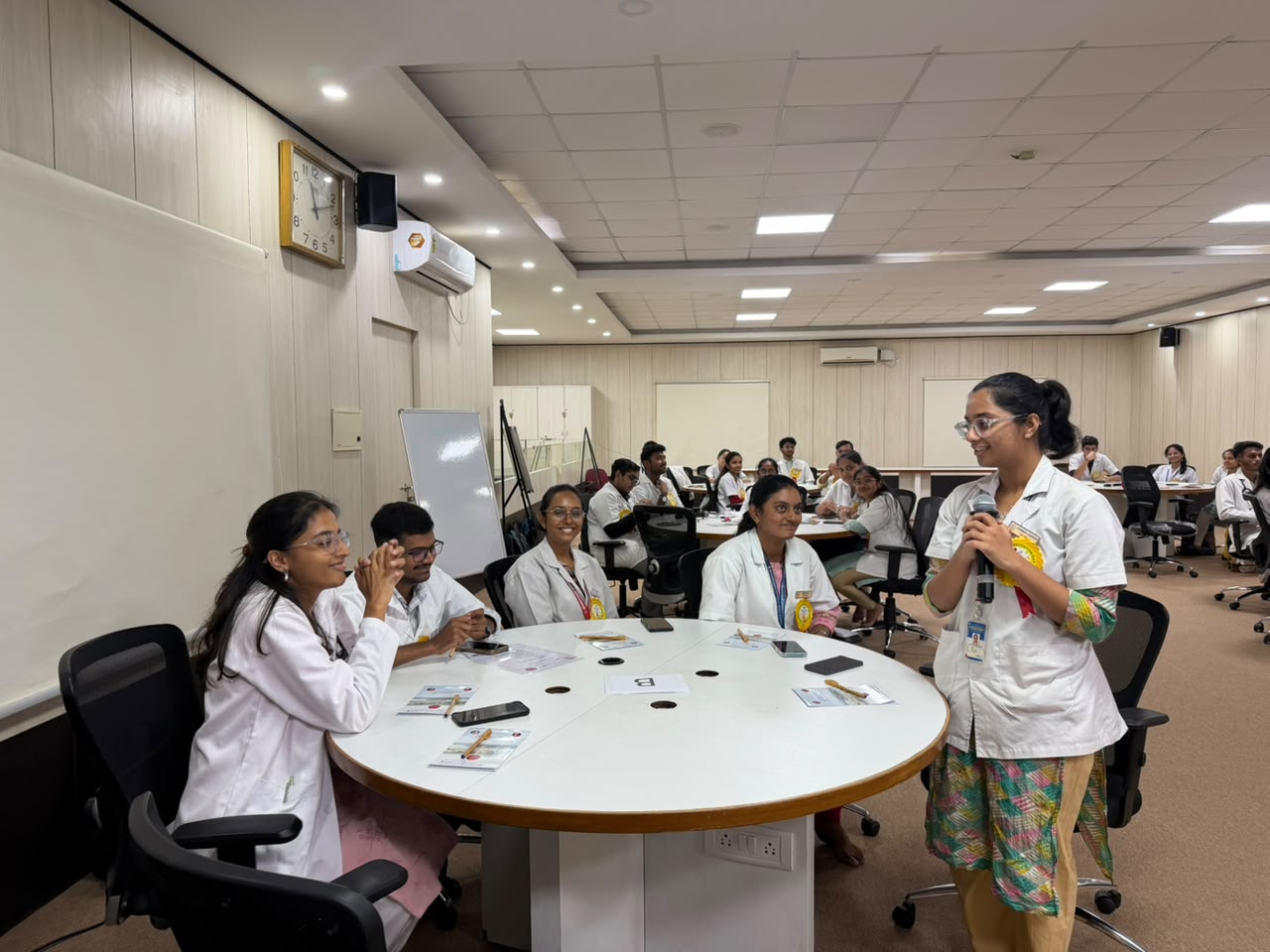
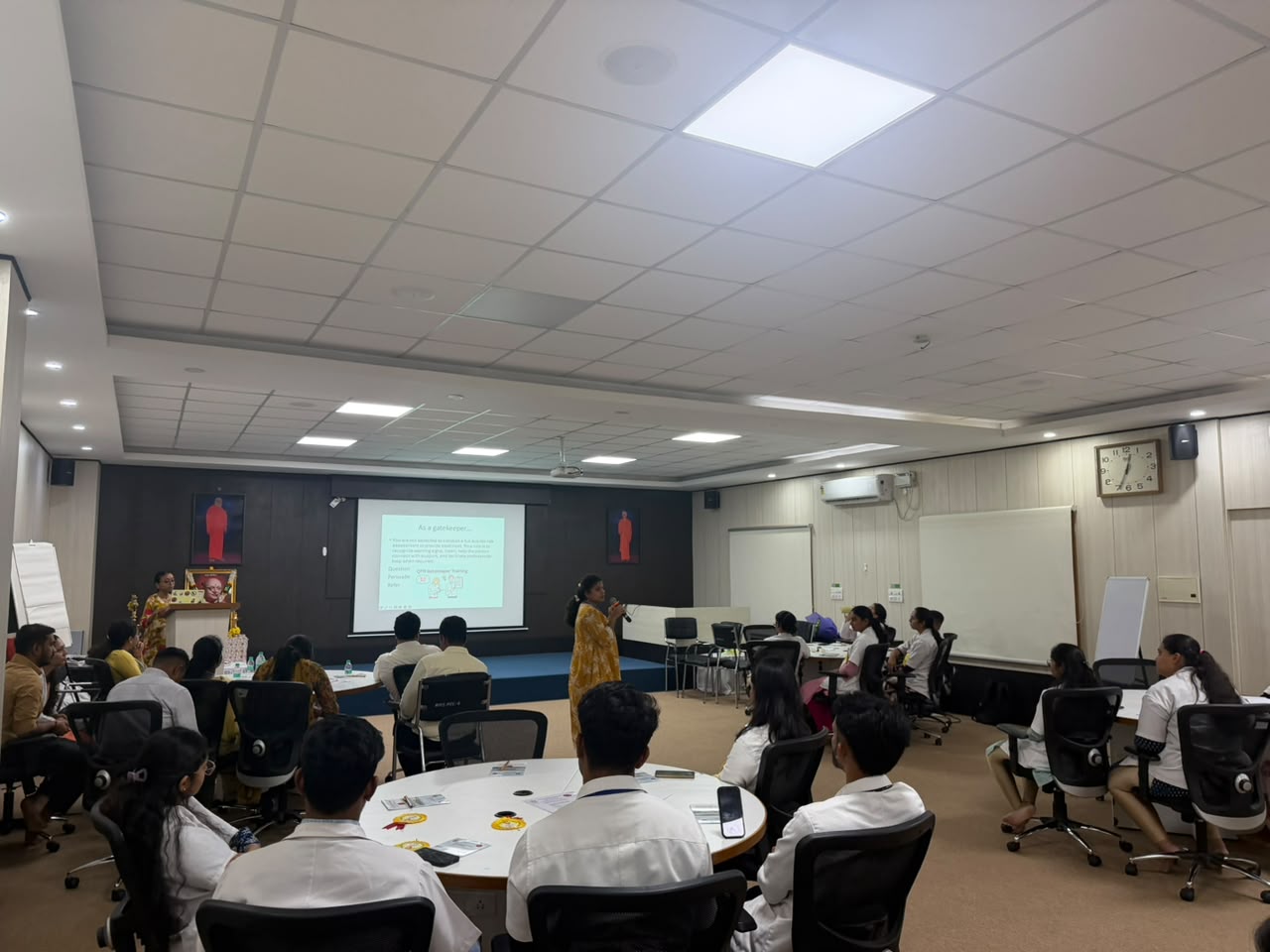
The Gatekeeper Training Programme 2026 was organized by the Department of Psychiatry, Adichunchanagiri Institute of Medical Sciences, in association with the AIMS Student Support Cell and Indian Psychiatric Society – Karnataka Chapter, as part of World Suicide Prevention Day

The programme included a welcome address by Dr. Tejaswi Prithviraj H. K., Associate Professor and In-Charge Head, Department of Psychiatry, and a keynote address by Dr. Shivakumar, Principal, AIMS and Dean of Health Sciences, Adichunchanagiri University. The occasion was graced by the esteemed presence of   Dr.Tejaswi H L ,vice principal AHRC , Dr Aliya Nusrath , vice principal AHRC ,Dr Kusuma ,student cell coordinator AHRC.

The scientific programme included a pre-test, ice-breaker by Dr Kavitha B Assistant Professor, Introduction to Gatekeeping by Dr. Tejaswi Prithviraj H. K., Epidemiology and aetiological factors session by Dr Sneha M, Senior Resident, Red Flags/Myths vs facts by Dr. Vaibhavi P. S., Assistant Professor, Department of Psychiatry.

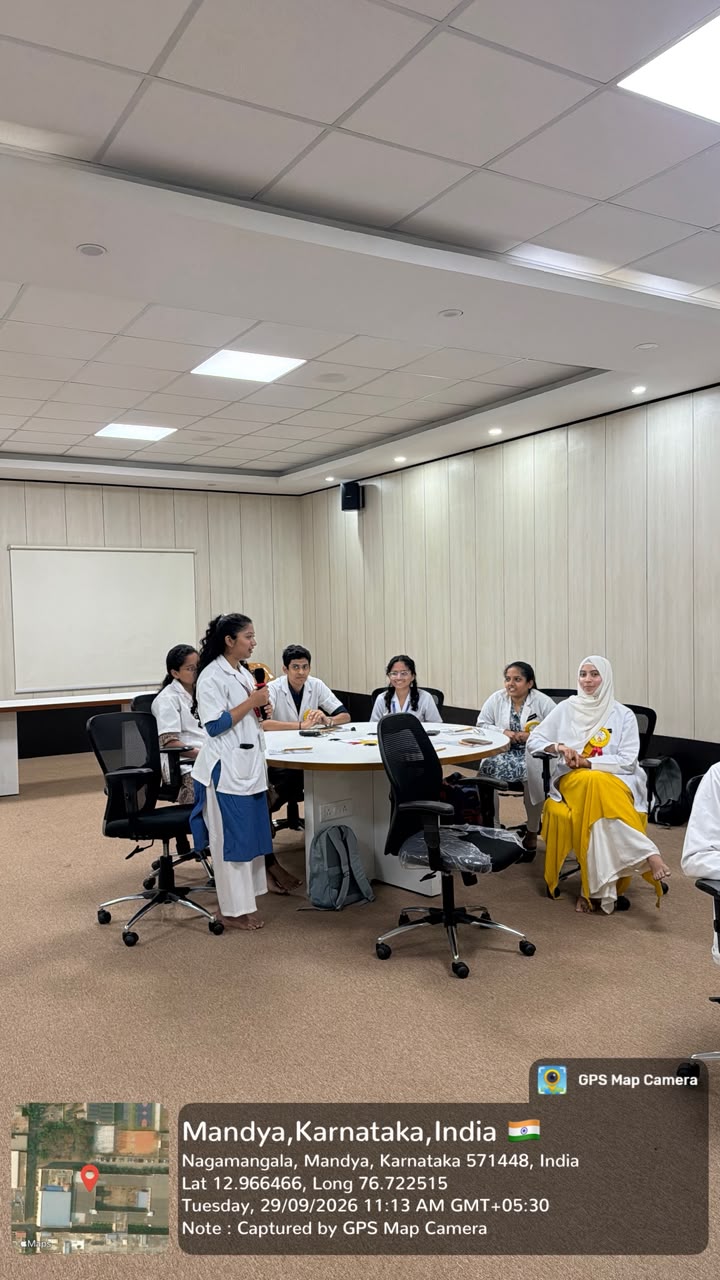
Interactive activities facilitated by Mr. Bharath Bhushan M. N. and Mr. Ganesh Lakshman, Psychiatric Social Worker,

Assessment of suicide by Dr Kavitha B, Assistant Professor, followed by Management by Dr Roopali M, Senior Resident

The programme concluded with a post-test, feedback, discussion, certificate distribution. It emphasized early recognition, supportive communication and connecting individuals in distress with appropriate professional help.

  1.  

Feedback Analysis (Brief)


Volunteers reported that the event was very informative , interactive, and well organized , also gave inputs to include more activities and interactive sessions

  1.  

SDG’s Addressed

The Gatekeeper Training Programme 2026 contributed primarily to SDG 3 (Good Health and Well-being) by promoting suicide prevention and mental-health awareness. It also supported SDG 4 (Quality Education) through structured training and skill development, SDG 10 (Reduced Inequalities) by promoting timely access to mental-health support, and SDG 17 (Partnerships for the Goals) through collaboration among academic and professional organizations.

14

Outcome

The programme provided a meaningful platform for medical student volunteers to actively engage in discussions, role-plays, and case-based learning, thereby strengthening their ability to identify suicidal risk, offer initial support, and facilitate timely referral. It successfully fostered awareness, practical skills, and confidence in addressing mental health concerns among future healthcare professionals.

15

Challenges Faced

Limited time for covering all topics and interactive activities.

Varying levels of prior knowledge among participants.

Managing active participation and discussion within the allotted time.

 Limited opportunity for detailed individual practice and feedback.

16

Recommendations

Conduct regular follow-up gatekeeper training programmes.

 Include more role-plays, case discussions and practical exercises.

 Provide refresher sessions to reinforce suicide-prevention skills.

Strengthen referral and support mechanisms for individuals identified at risk of suicide.