|
8.
|
Details of delegates/target audience
|
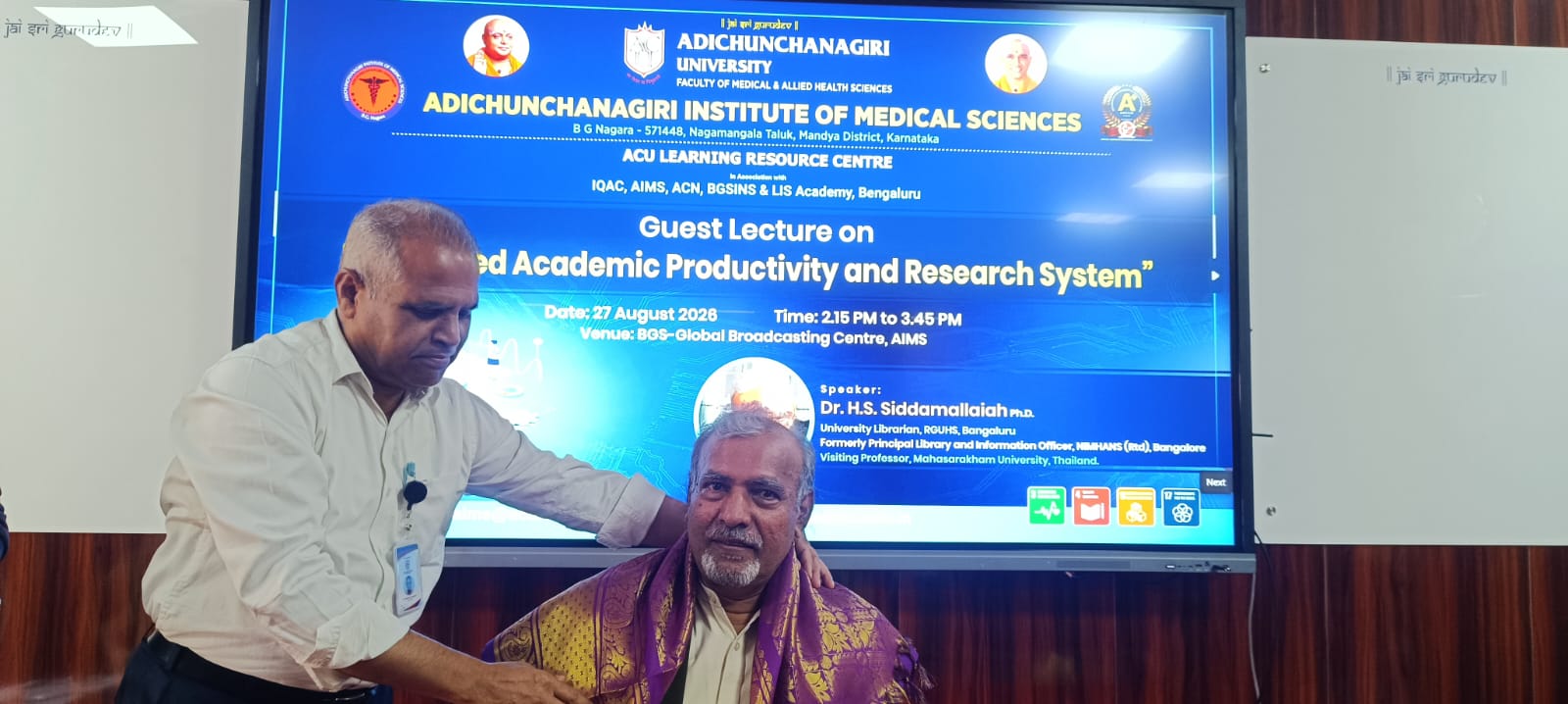
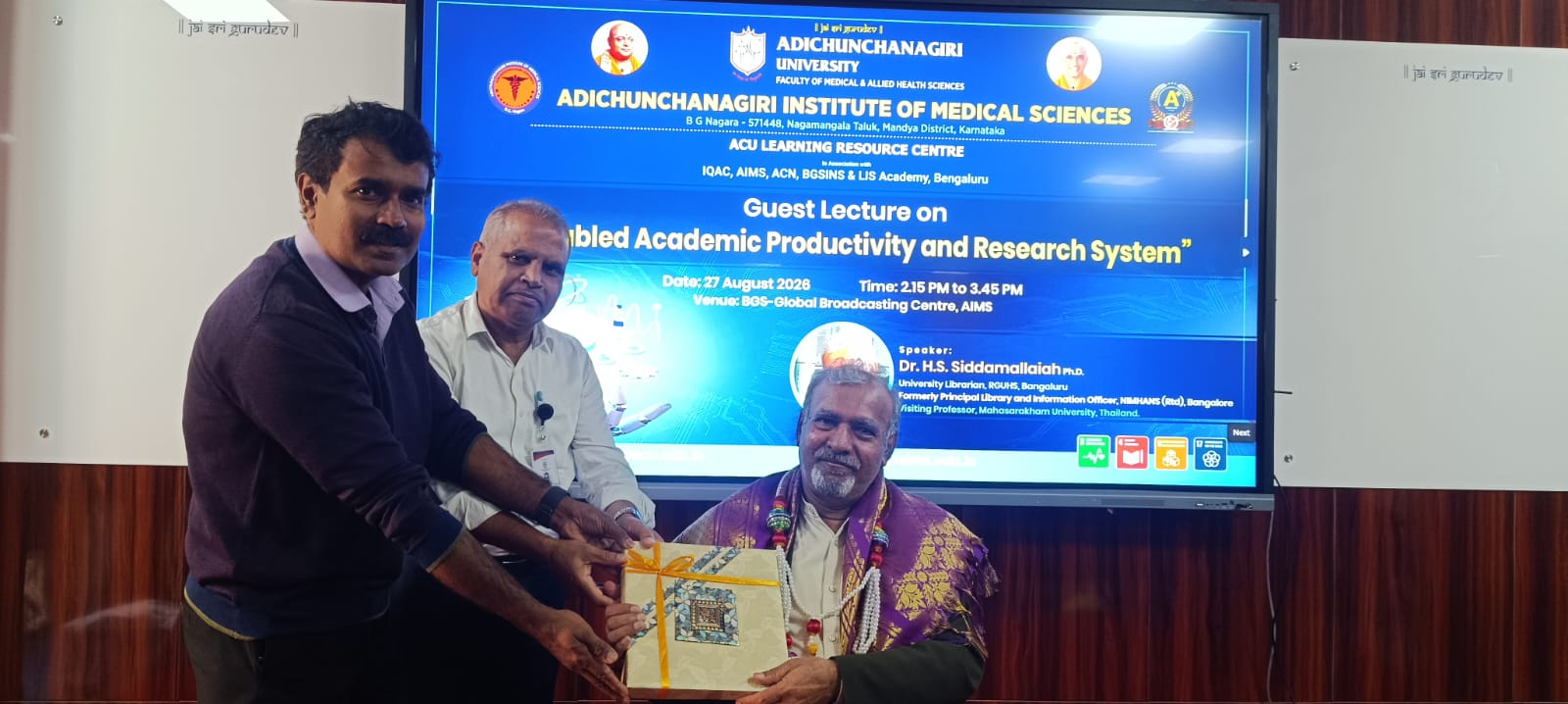
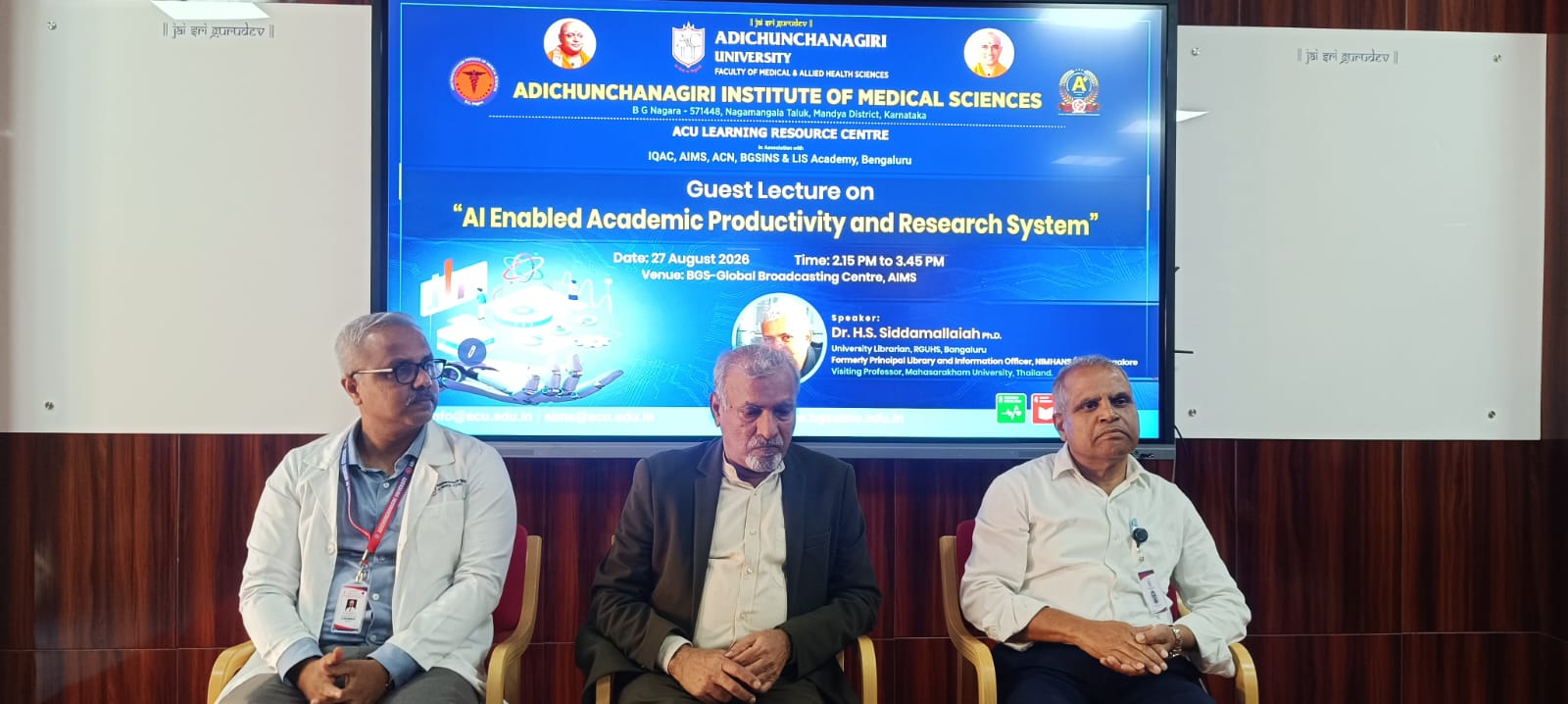
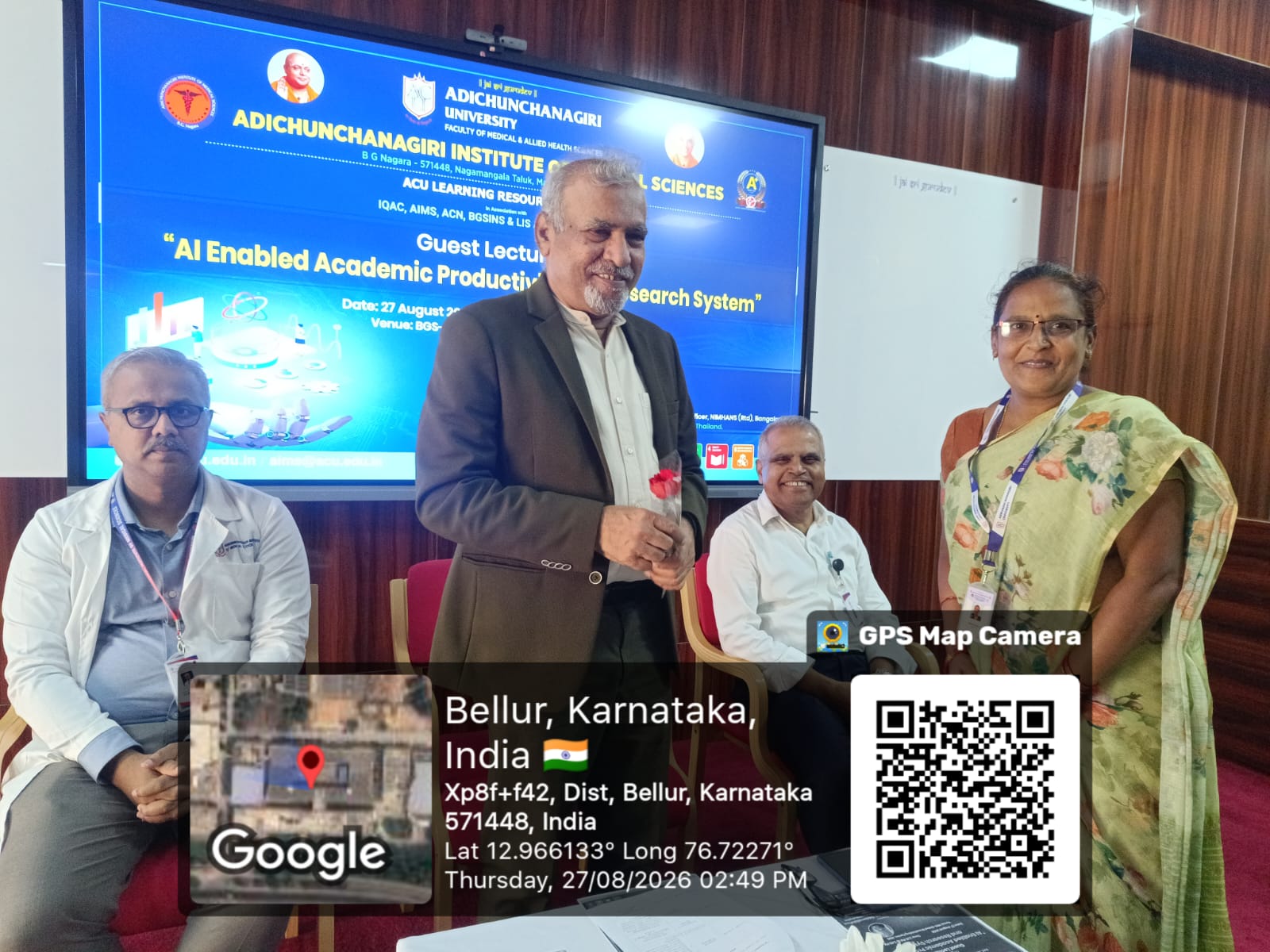
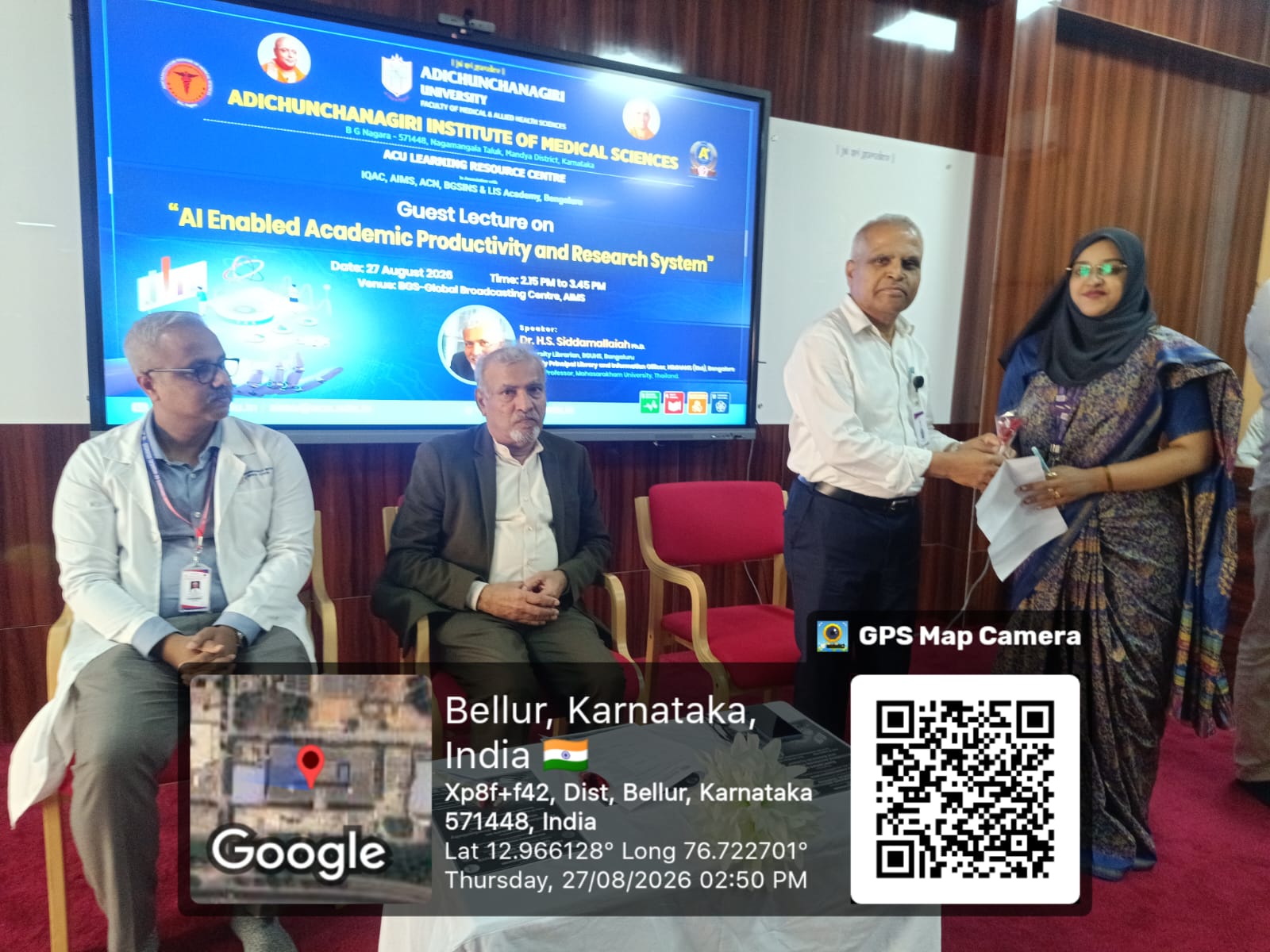
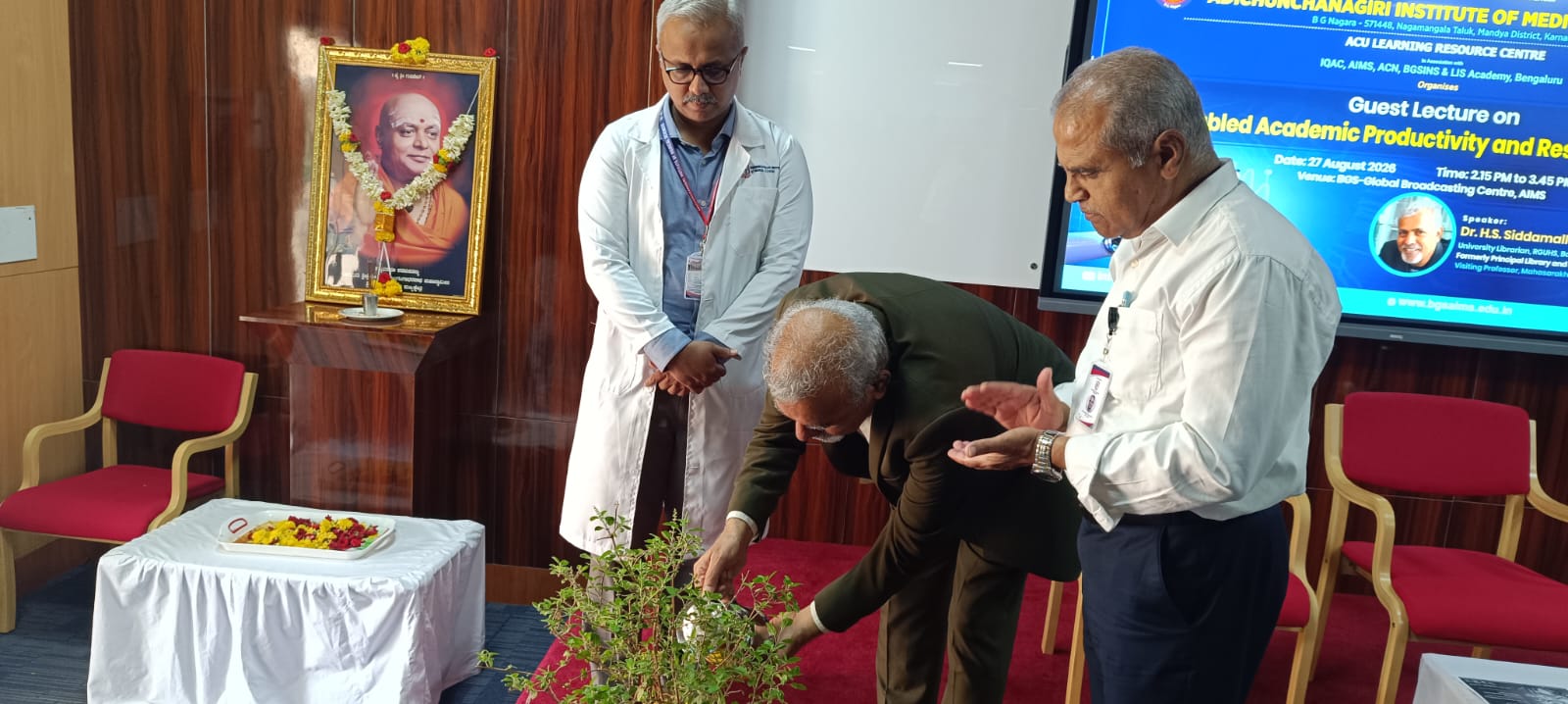
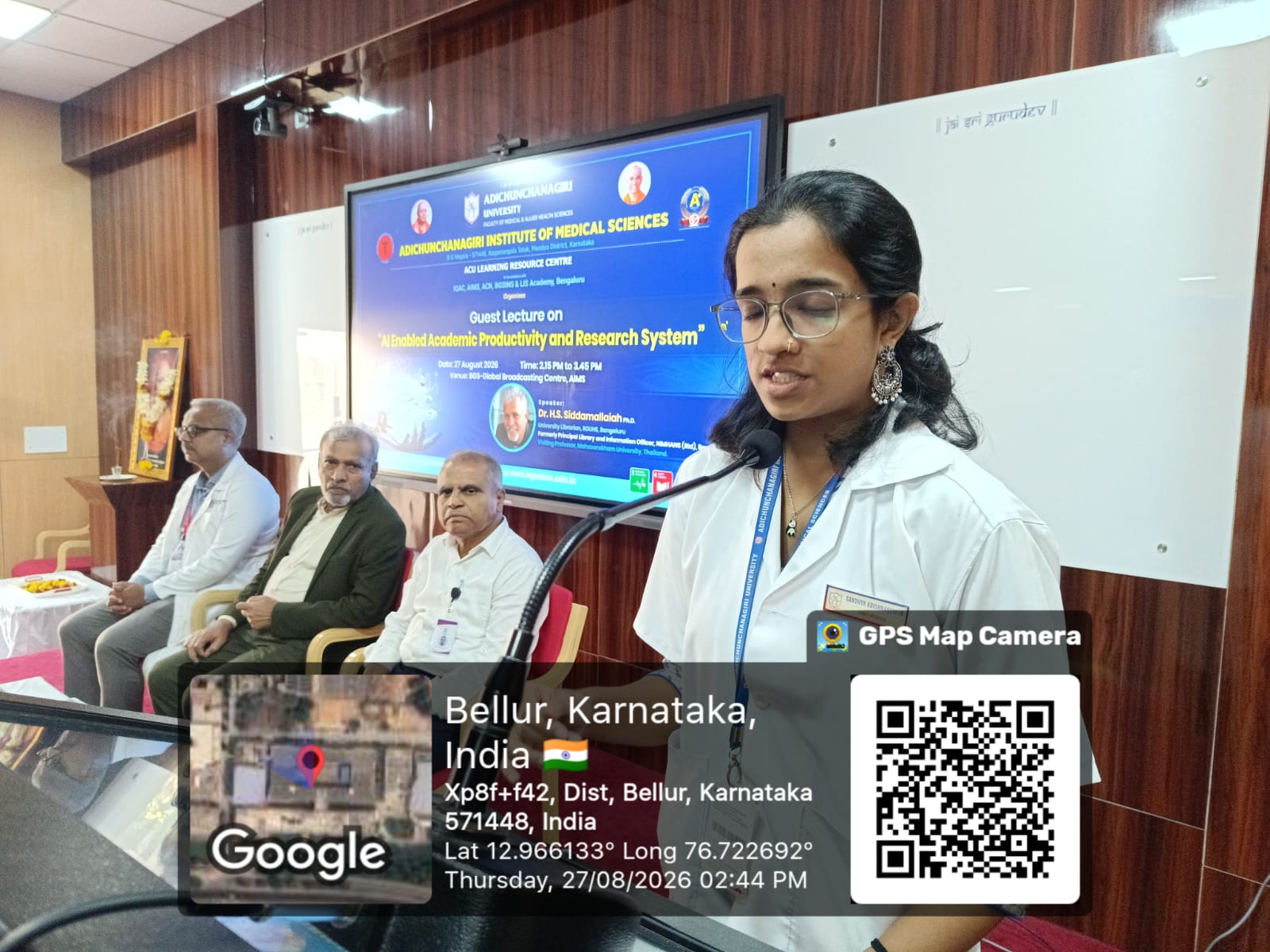
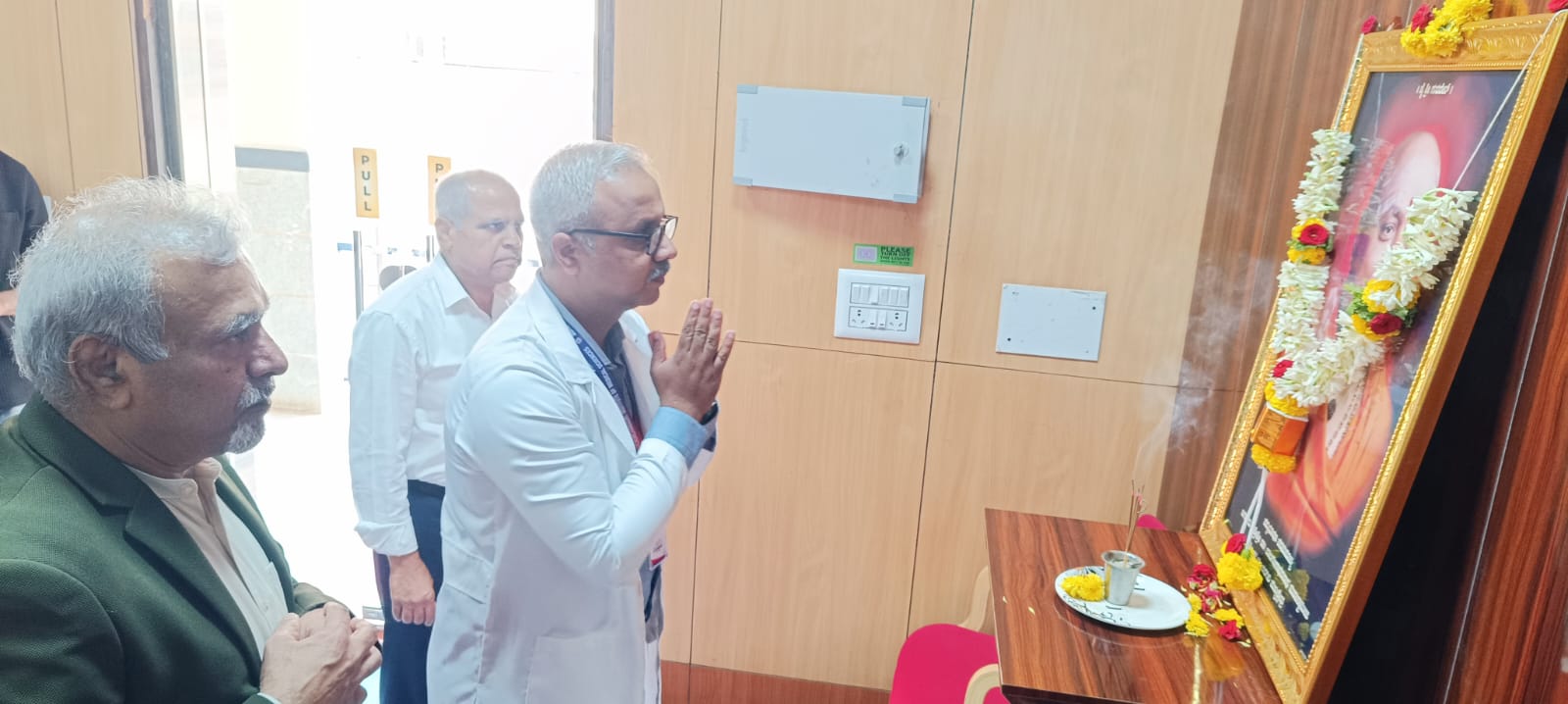
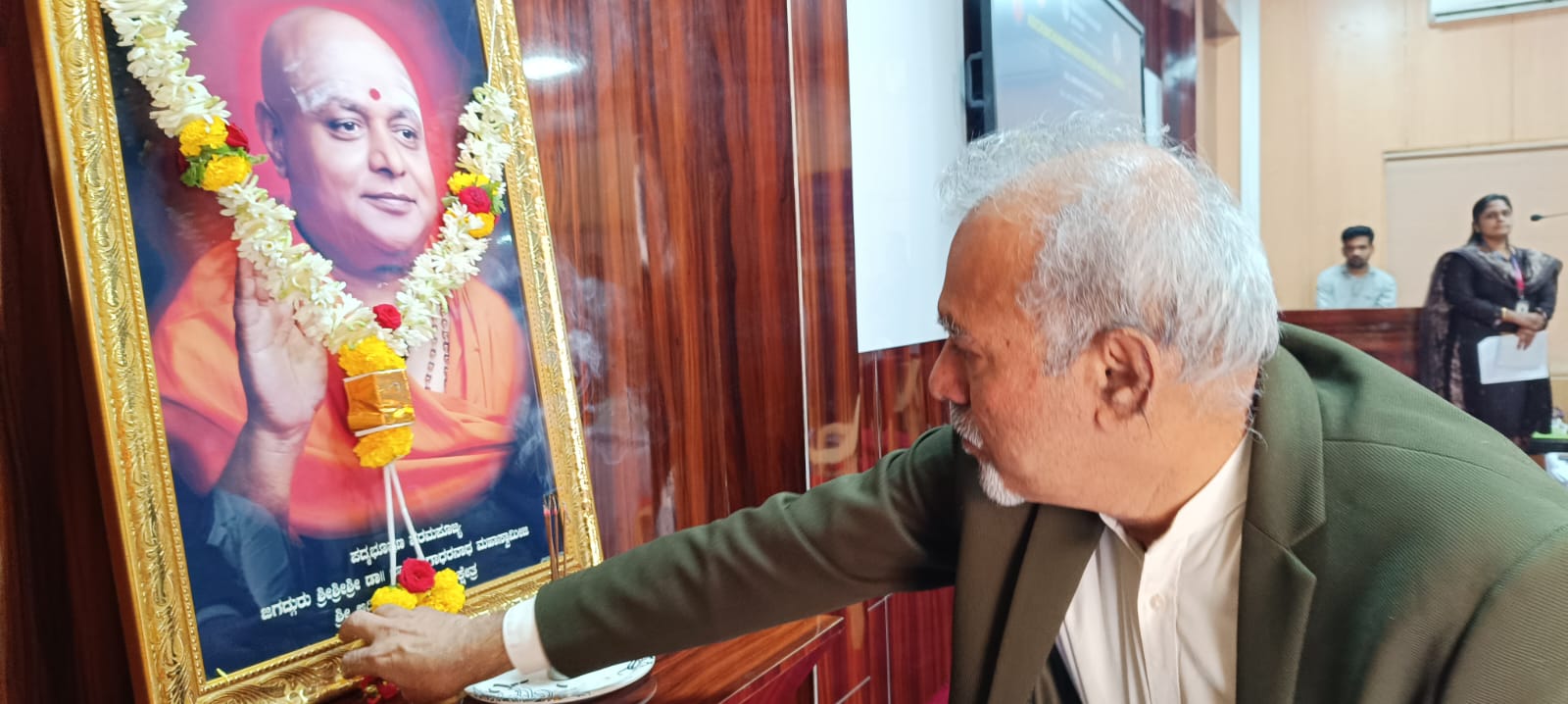
With the wishes of Dr. K M Shivakumar, Principal, AIMS & Dean, Health Sciences (Medical) ACU, Dr. H L Tejeswi, Vice-Principal, AIMS, inaugurated and graced the session. The other dignitaries were present and graced the occasion were Dr. H.S. Siddamallaiah, University Librarian, RGUHS. Dr. Vasanthakumar M, Chief Librarian, ACU, IQAC Coordinator, and Librarians of constituent colleges of ACU.
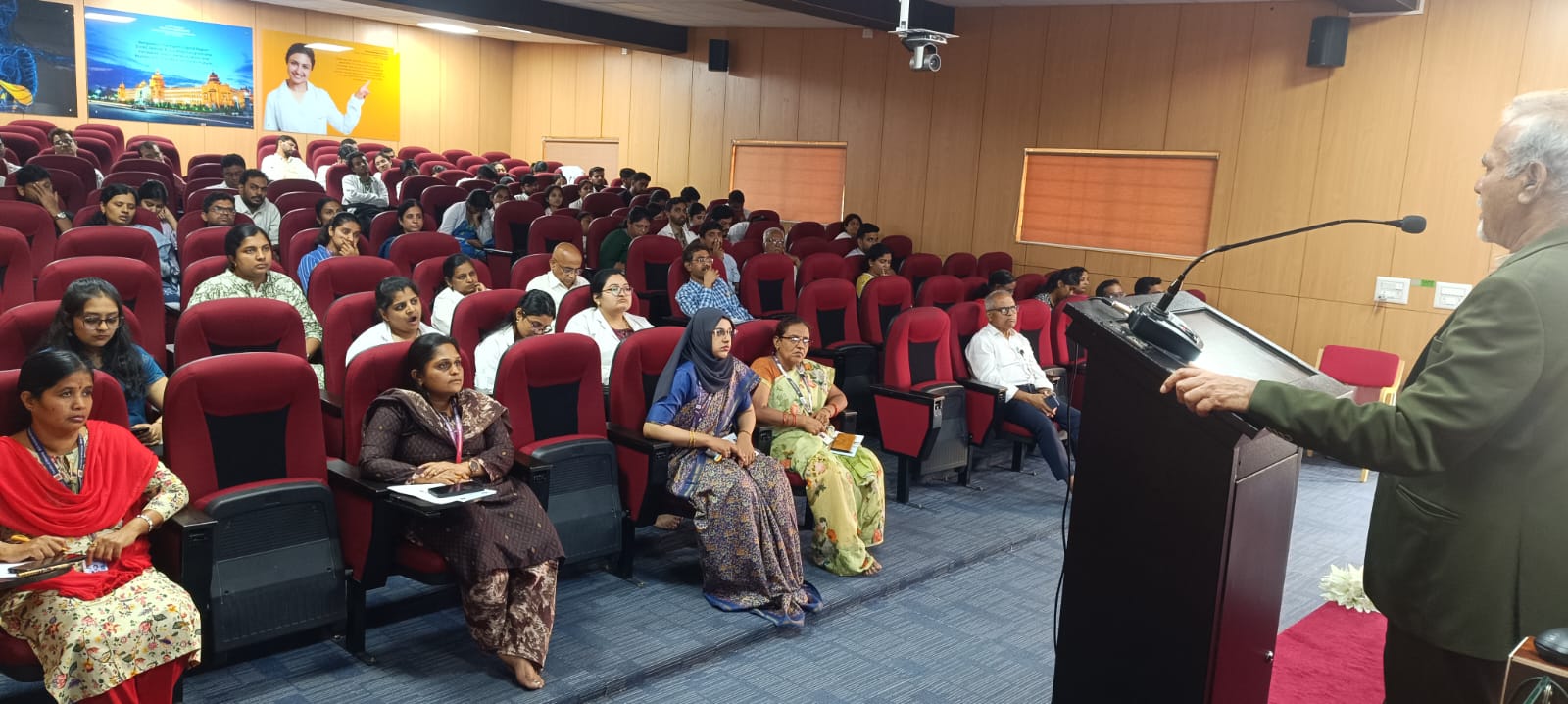
The faculty members of AIMS, senior residents, postgraduates, faculty of ACN, BGSINS, ASNS, and Librarians of ACU constituent units were participated.
|
|
11.
|
Brief Report of event (in about 200 words)
|
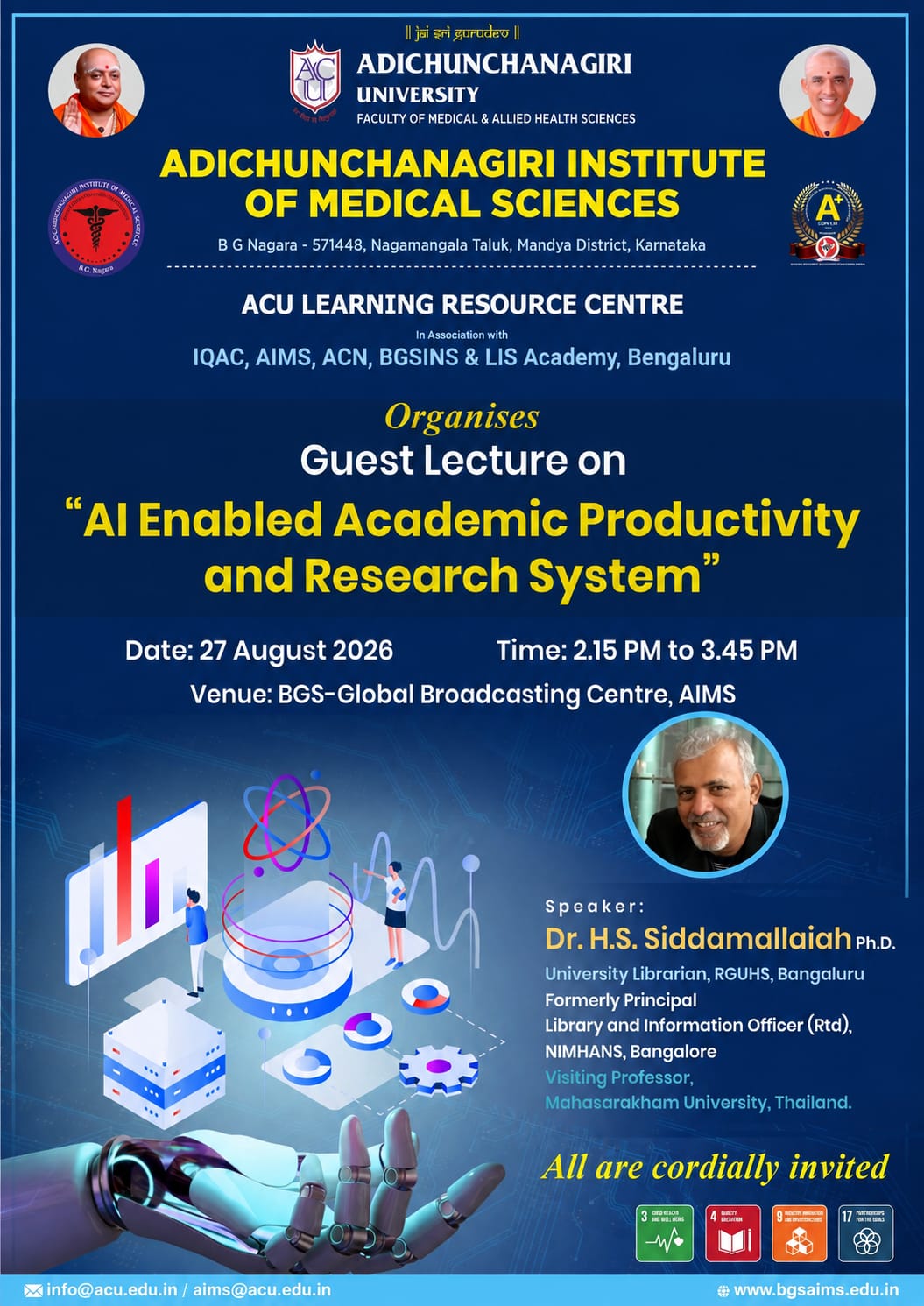
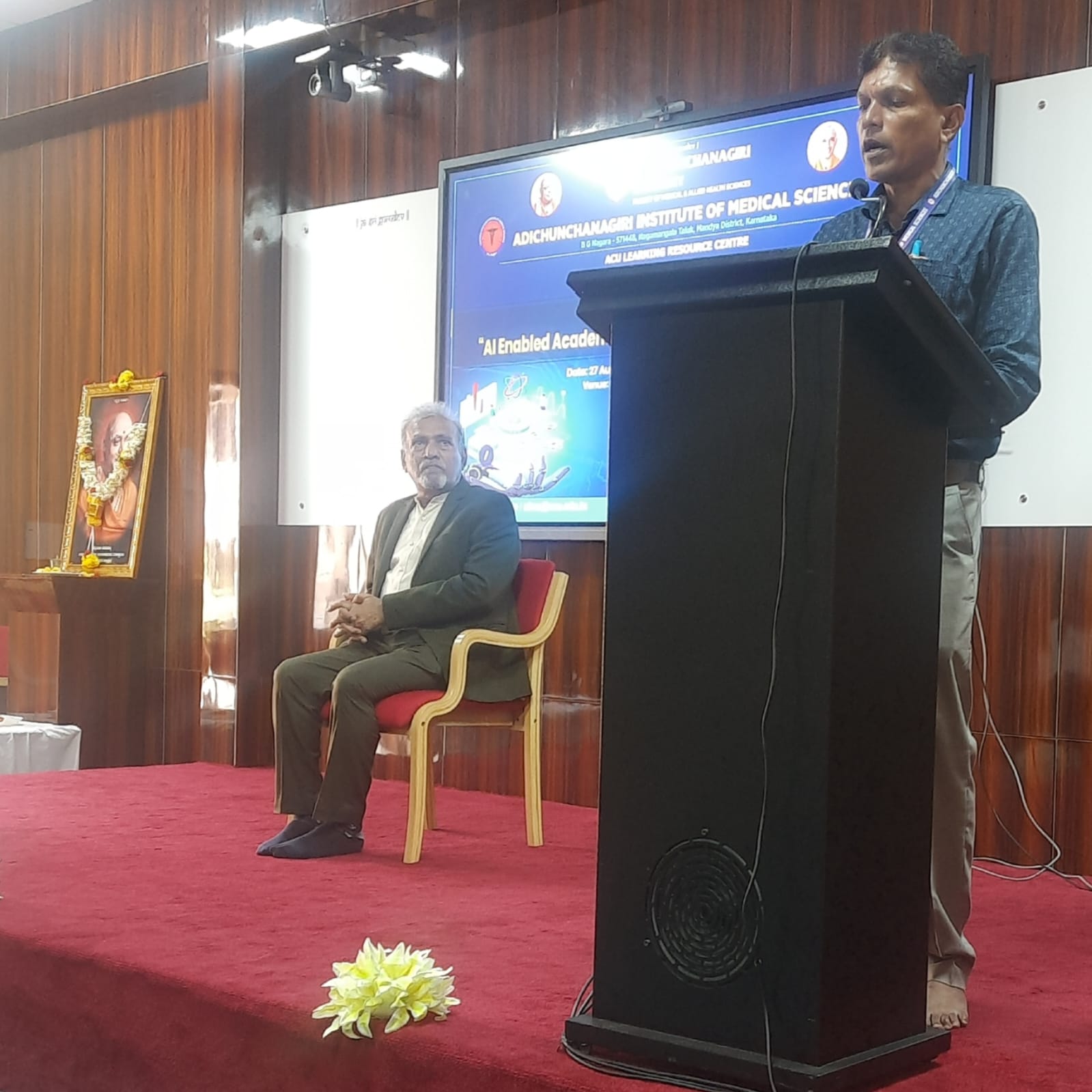
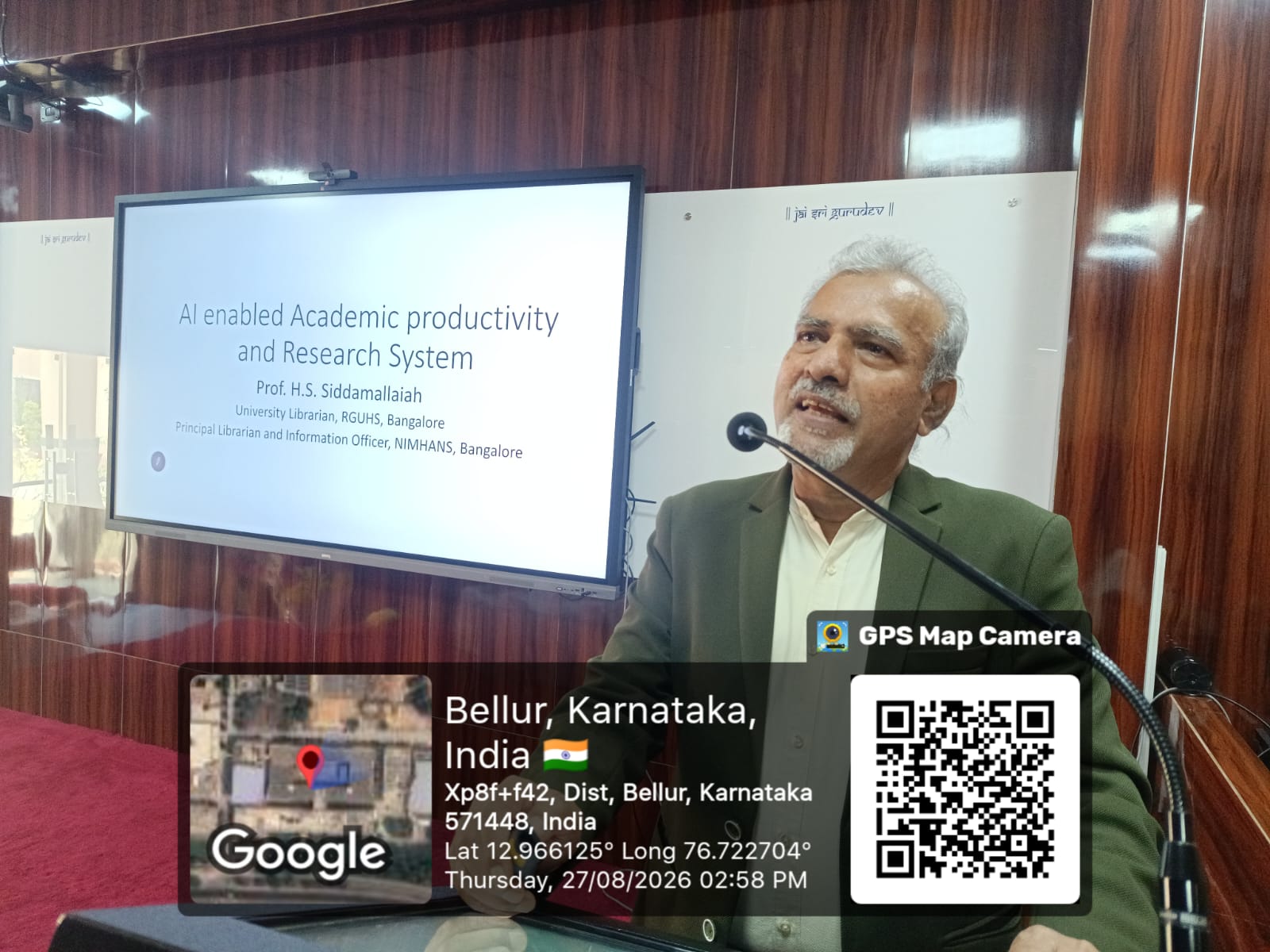
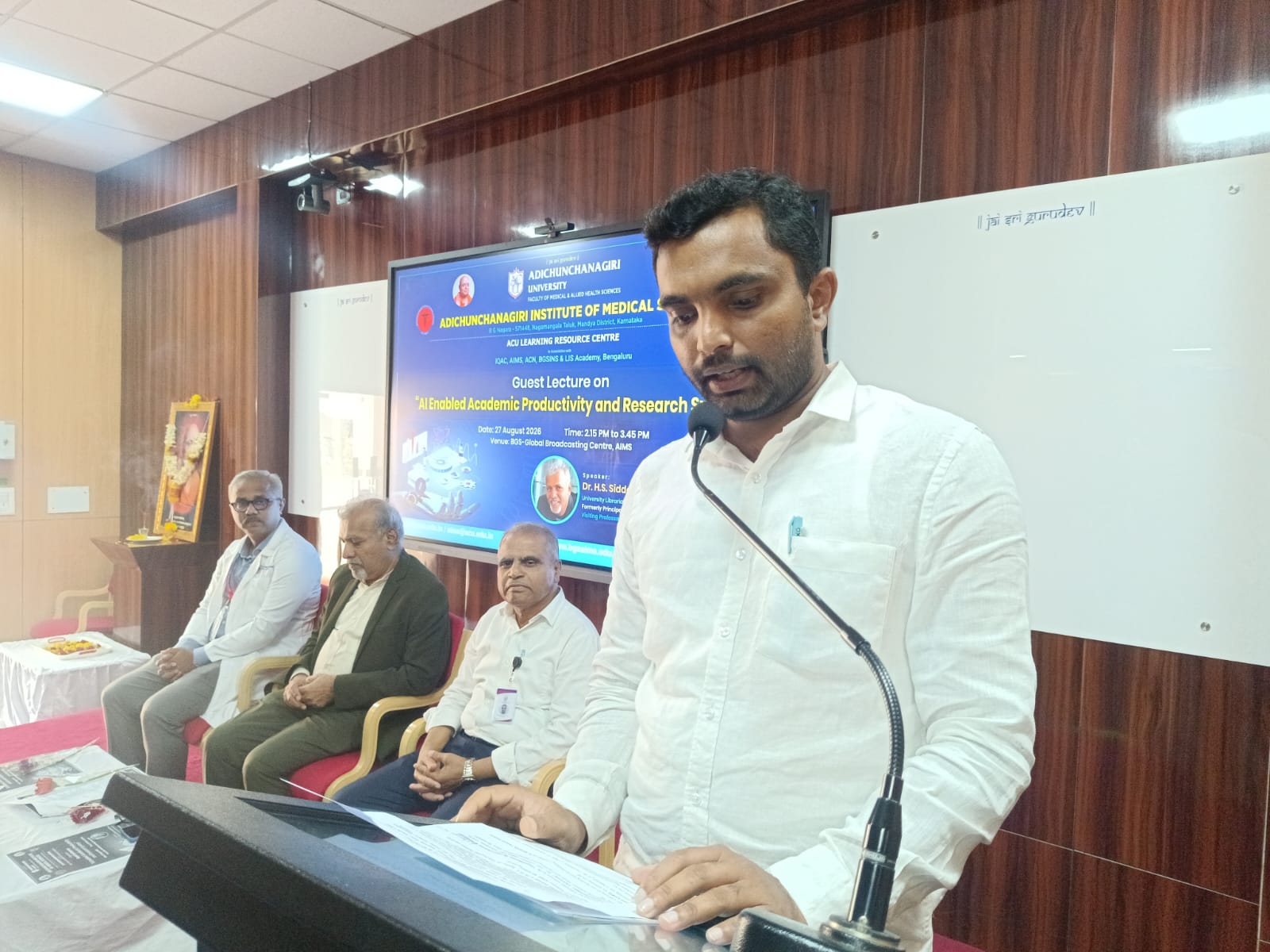
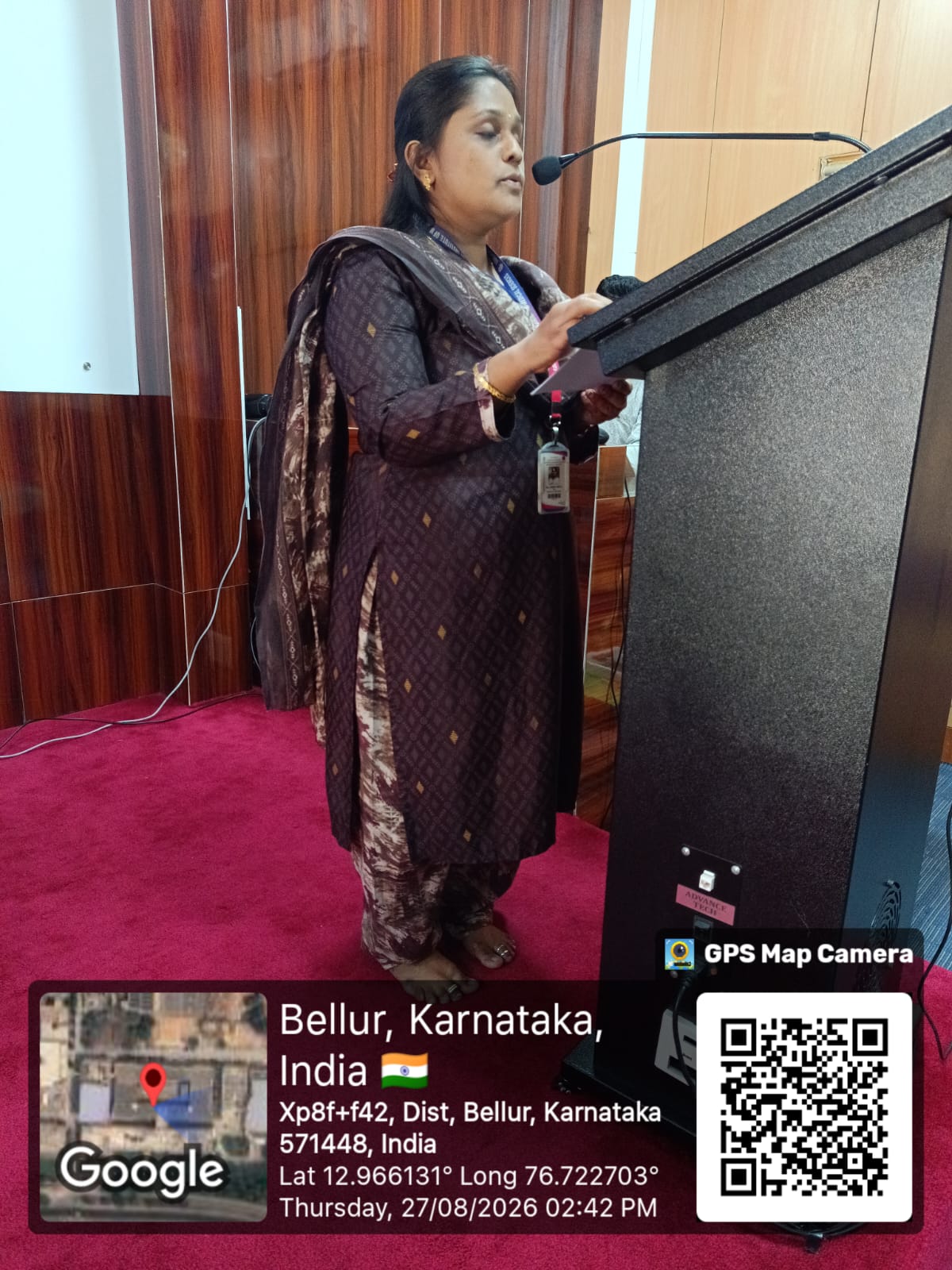
The Guest Lecture was organized by the ACU Learning Resource Center in association with IQAC, AIMS, ACN, BGSINS & LIS Academy, Bengaluru on 27th August 2026, from 2.15 pm to 3:45 pm in BGS Global Broadcasting, AIMS. The Guest Lecture began with an invocation by Kum. Sandya Krishna Kumar, 8th term MBBS student., Dr. Manjunatha M, Senior Librarian, ACU-LRC, welcomed the gathering, followed by the introduction of the speaker by Mrs. Bushra Sarda,
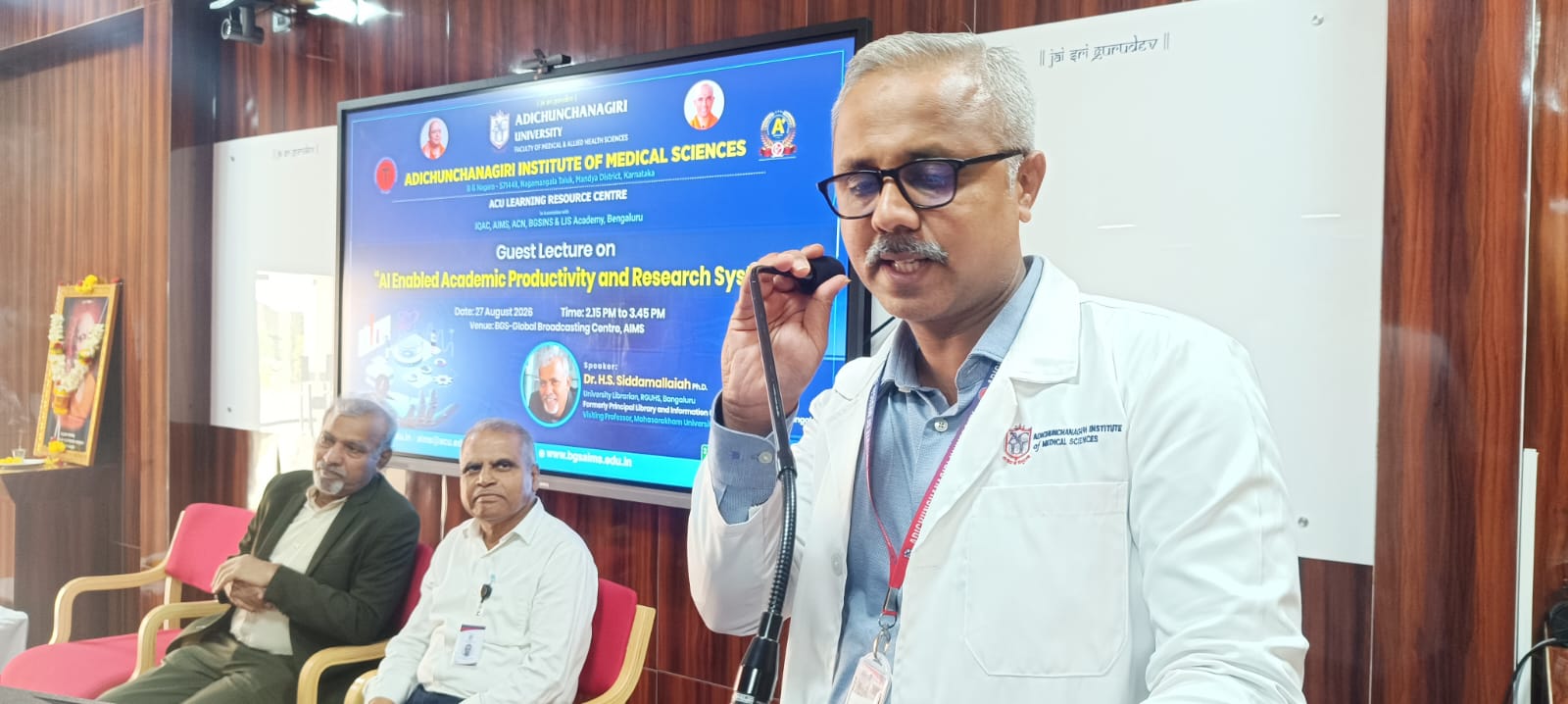
Nursing Faculty, Adichunchanagiri College of Nursing. Dr. Tejaswi, H L, Vice-principal, AIMS delivered the keynote address, and Dr. Johnsi Priya J, Tutor, Dept. of Biochemistry,
AIMS did the master of ceremonies. Guest speaker, Dr.H.S. Siddamallaiah,
University Librarian, RGUHS. Formerly Principal Library and Information Officer (Rtd.,) NIMHANS, Bangalore,
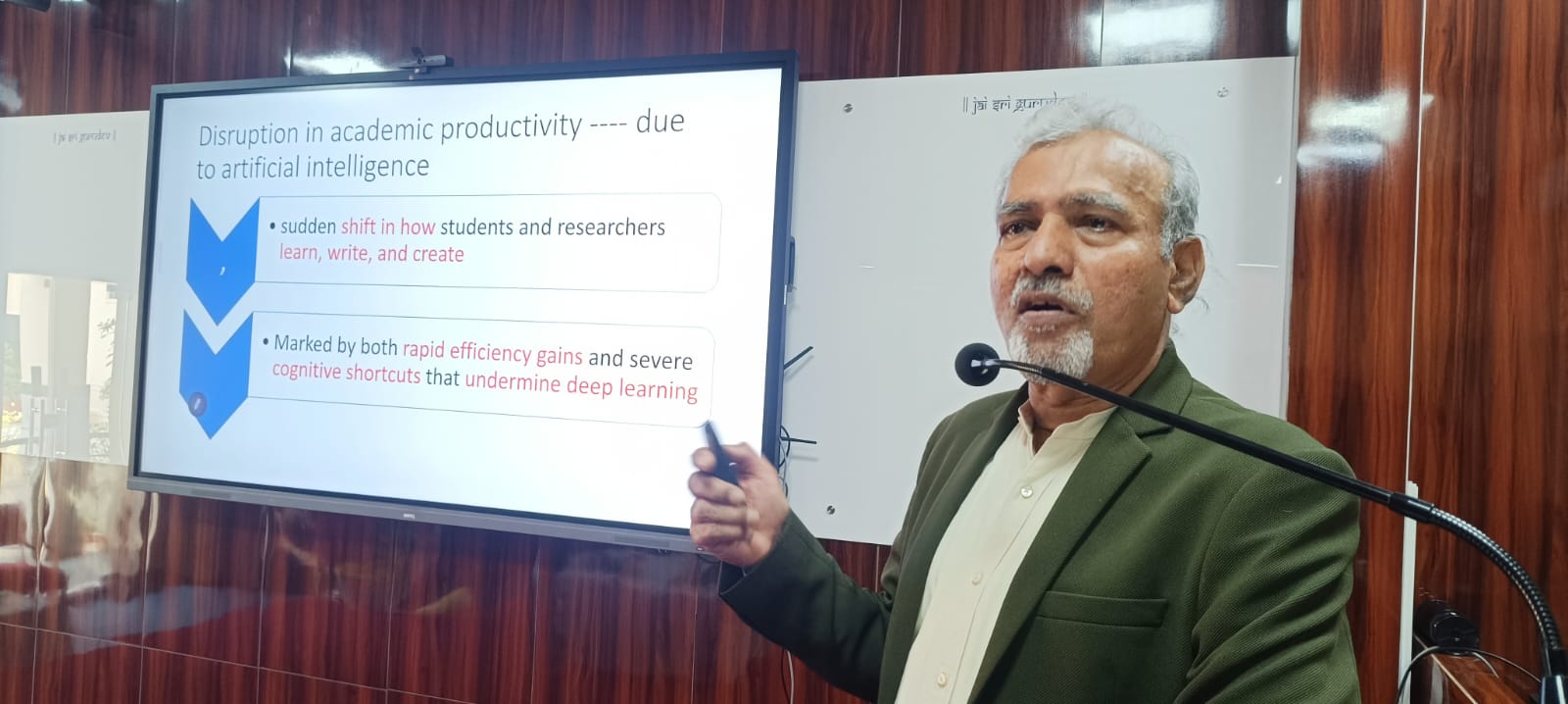
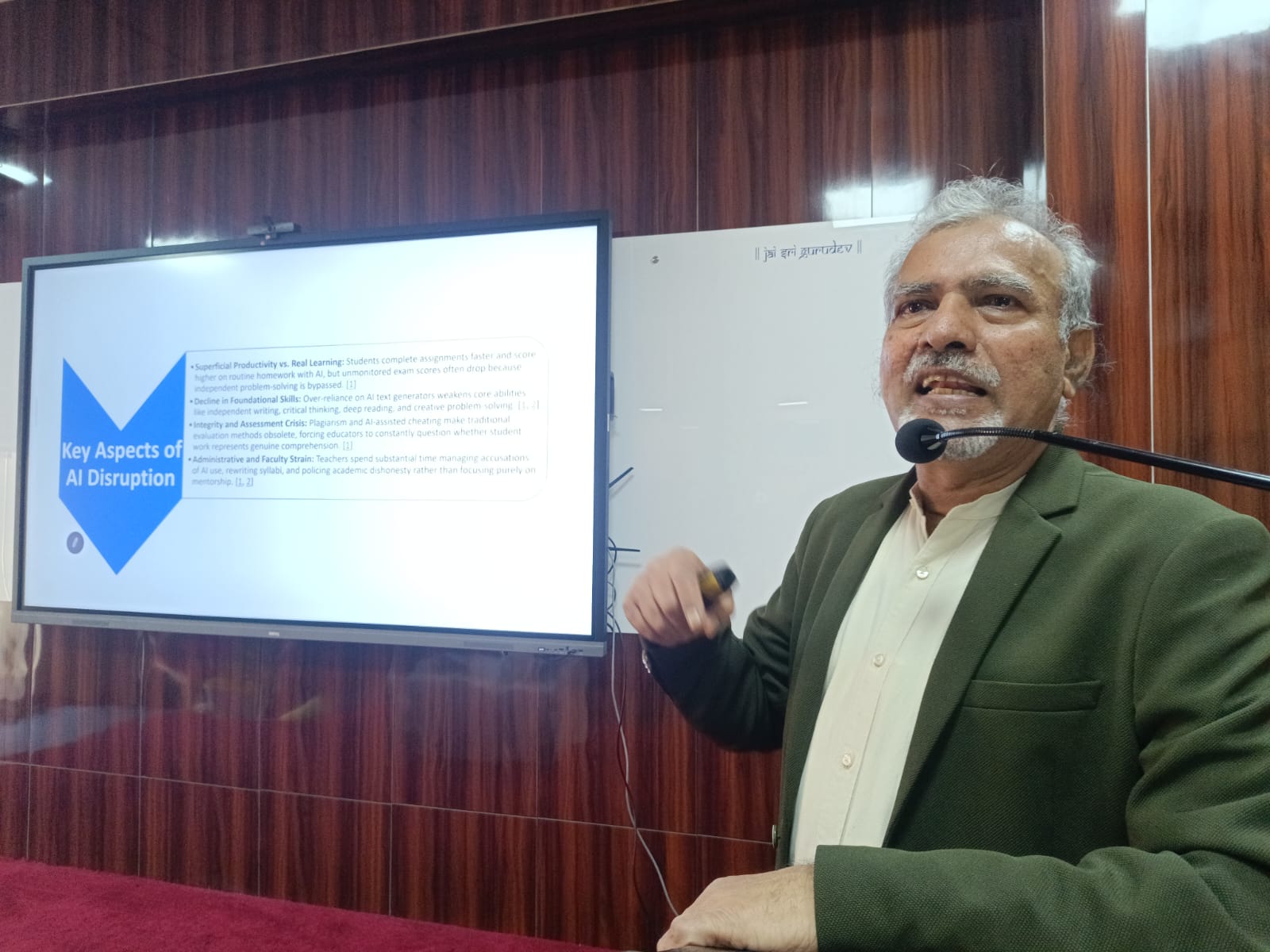
Visiting Professor, Mahasarakham University, Thailand. The lecture provided valuable insights into the effective application of AI-enabled tools to enhance academic and research productivity. It highlighted how Teaching, Learning, Research, Publishing, and Academic Knowledge Management can be integrated to build an intelligent academic ecosystem.
The lecture highlighted the use of AI in areas such as literature search, research writing, summarization, data analysis, reference management, and research publication.
Key Components of Academic Productivity such as Research Output Teaching and Mentorship, Clinical Service and Clinical decision system, Administration, and also mainly focused on Inputs and resources like funding, Infrastructure, Human capital. Finally explained the Core Processes like
Time Management:
Dedicated, focused work intervals and protection from non-research administrative duties.
Execution & Analysis:
Rigorous data collection, methodological accuracy, and valid empirical testing Scholarly Writing:
Consistent manuscript drafting, editing, and strategic targeting of peer-reviewed journals.
The resource person spoke about – AI can improve academic functions in the research areas such as:
1.Communication out ridge and ethical compliance, 28%
2.Ideal development and research design, 2%
3.Content development and structuring, 23%
4.Literature review and synthesis 9%,
5.Data management and analysis 12%
6.Editing review and publishing support 26%
The programme aimed to help faculty members and postgraduate students understand how AI can be used as a supportive technology to save time, improve the quality of academic work, strengthen research practices, and enhance research outcomes. The importance of using AI tools ethically, responsibly, and appropriately in academic and research activities was also emphasized.
Mr. Kuaraswamy HG, Librarian, ACU-LRC delivered the vote of thanks.
|
|
12.
|
Feedback Analysis (Brief)
|
The feedback received from the participants regarding the guest lecture on “AI Enabled Academic Productivity and Research” was highly positive. The participants appreciated the informative and practical presentation by Dr. Siddamallaiah and found the session useful for understanding the applications of Artificial Intelligence in academic and research activities.
Participants particularly valued the demonstration of AI tools for literature search, academic writing, research analysis, and productivity enhancement.
Artificial Intelligence (AI) plays an important role in Clinical Decision Support Systems (CDSS) by helping healthcare professionals make faster, more accurate, and evidence-based decisions. AI can analyze large amounts of patient data, including medical records, laboratory results, imaging, medications, and vital signs – high light of the guest lecture.
|