|
Sl No
|
Particulars In Field
|
Inputs
|
|
1
|
Events Name
|
KAYA KALPA 2026
|
|
2
|
Organizing Department/ Institution/ Committee/ Others
|
Department of Community Medicine, in collaboration with Taluk Health Hospital, Pandavapura
|
|
3
|
Type of Event
|
Hospital-based Quality Improvement Programme
|
|
4
|
Level of Event
|
Hospital-based event
|
|
5
|
Collaboration/ Accreditation if any
|
Taluk Health Hospital, Pandavapura
|
|
6
|
Date
|
25/09/2026
|
|
7
|
Venue
|
Taluk Health Hospital, Pandavapura
|
|
8
|
Details of Delegates/ target audience
|
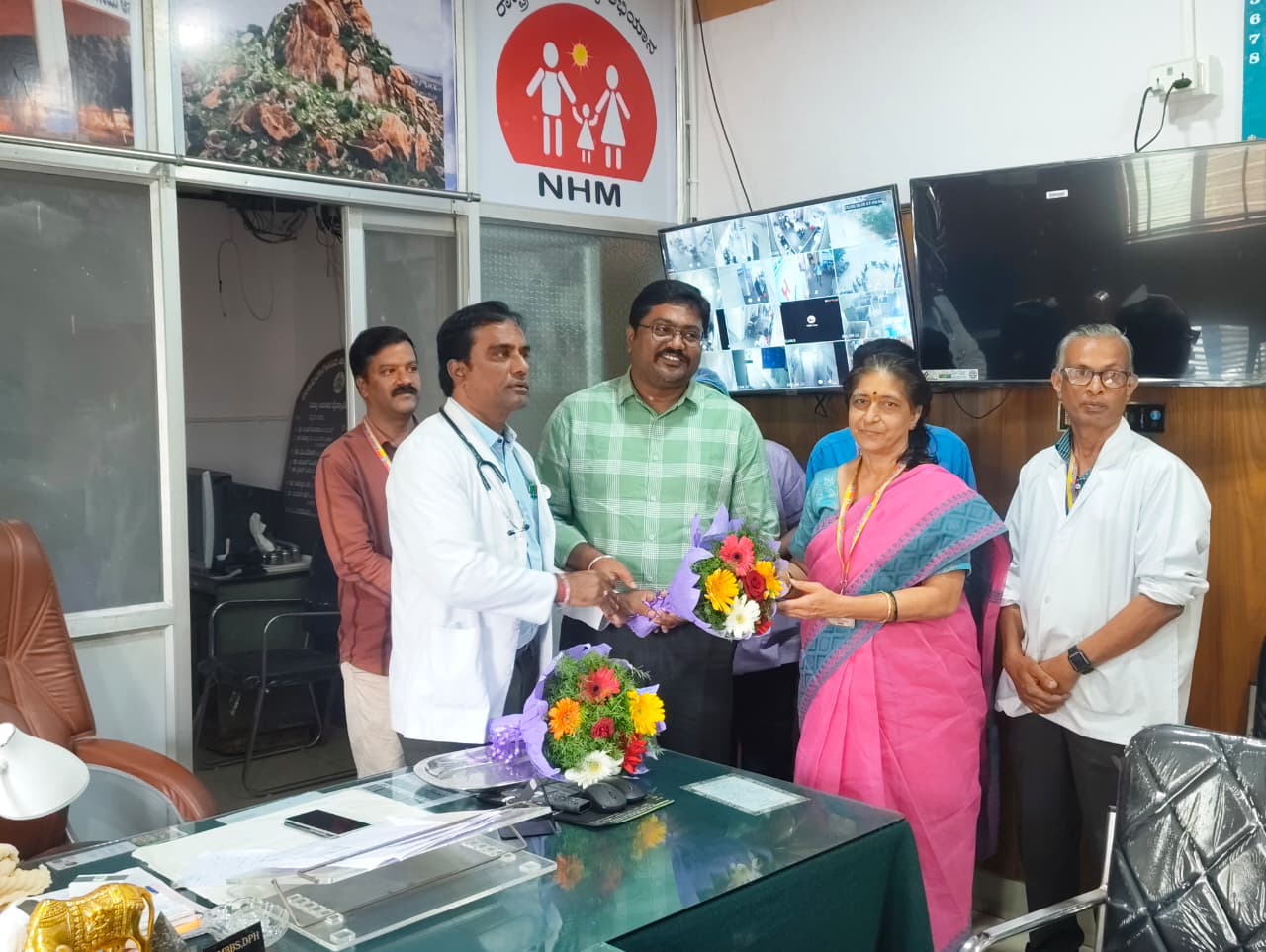
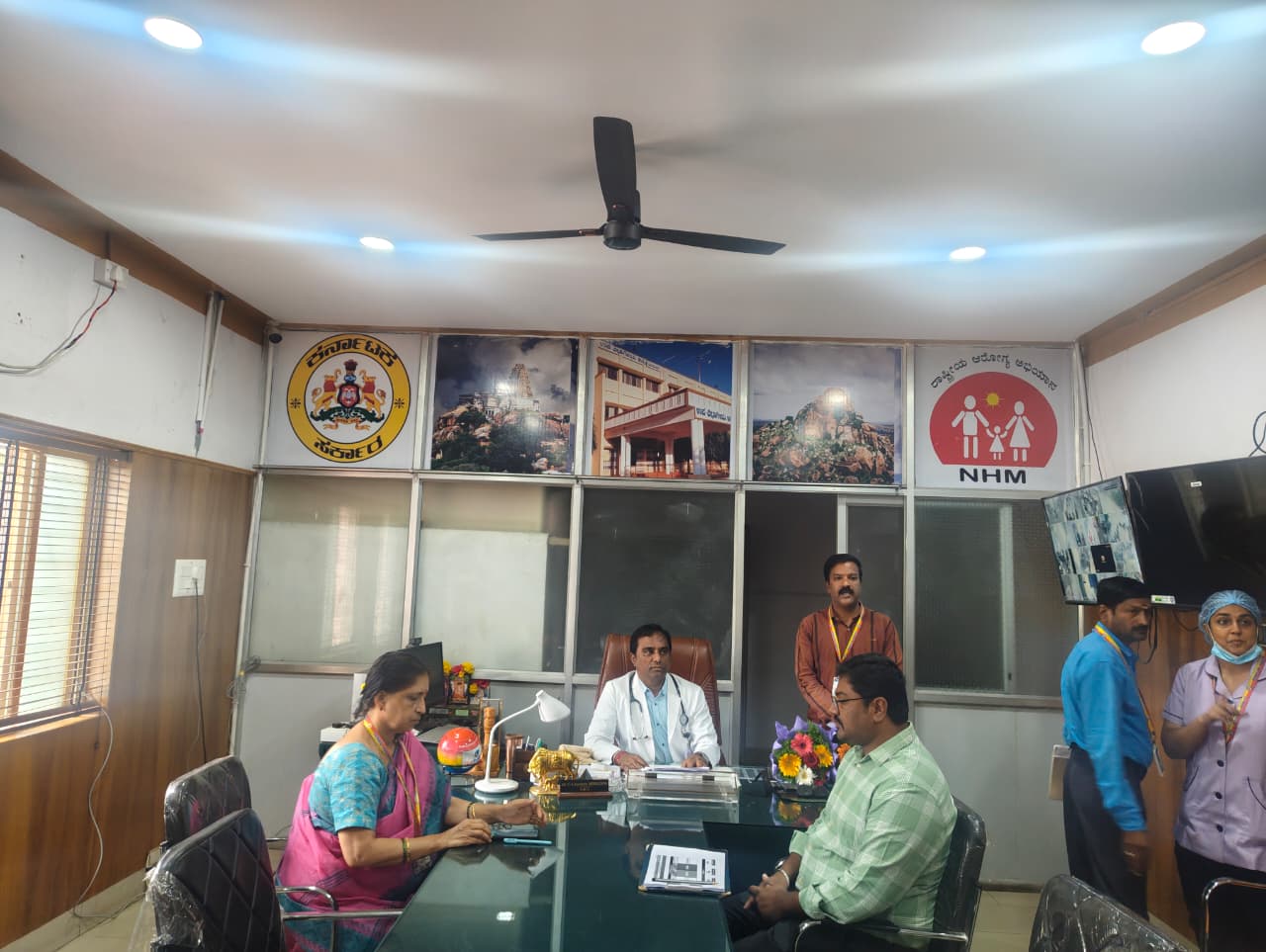
The programme was attended by Dr. Raghavendra S. K., Professor and Head, Department of Community Medicine; Dr. Arvind, Taluk Health Officer, Pandavapura; Dr. Sandesh, Anaesthetist, K. R. Pete Taluk Hospital; and other healthcare staff of Taluk Health Hospital, Pandavapura.
|
|
9
|
Total Number of Delegates/ audiences attended
|
35 Delegates
|
|
10
|
Objective/s of the events
|
1. To promote cleanliness, hygiene, infection prevention and a safe environment within healthcare facilities through the Kaya Kalpa initiative.
2. To encourage healthcare staff to adopt good practices in sanitation, waste management, hygiene and maintenance of hospital surroundings.
3. To strengthen a culture of quality improvement and patient-friendly healthcare services through regular assessment and sustainable improvement practices.
|
|
11
|
Brief report of the event (in about 200 words)
|
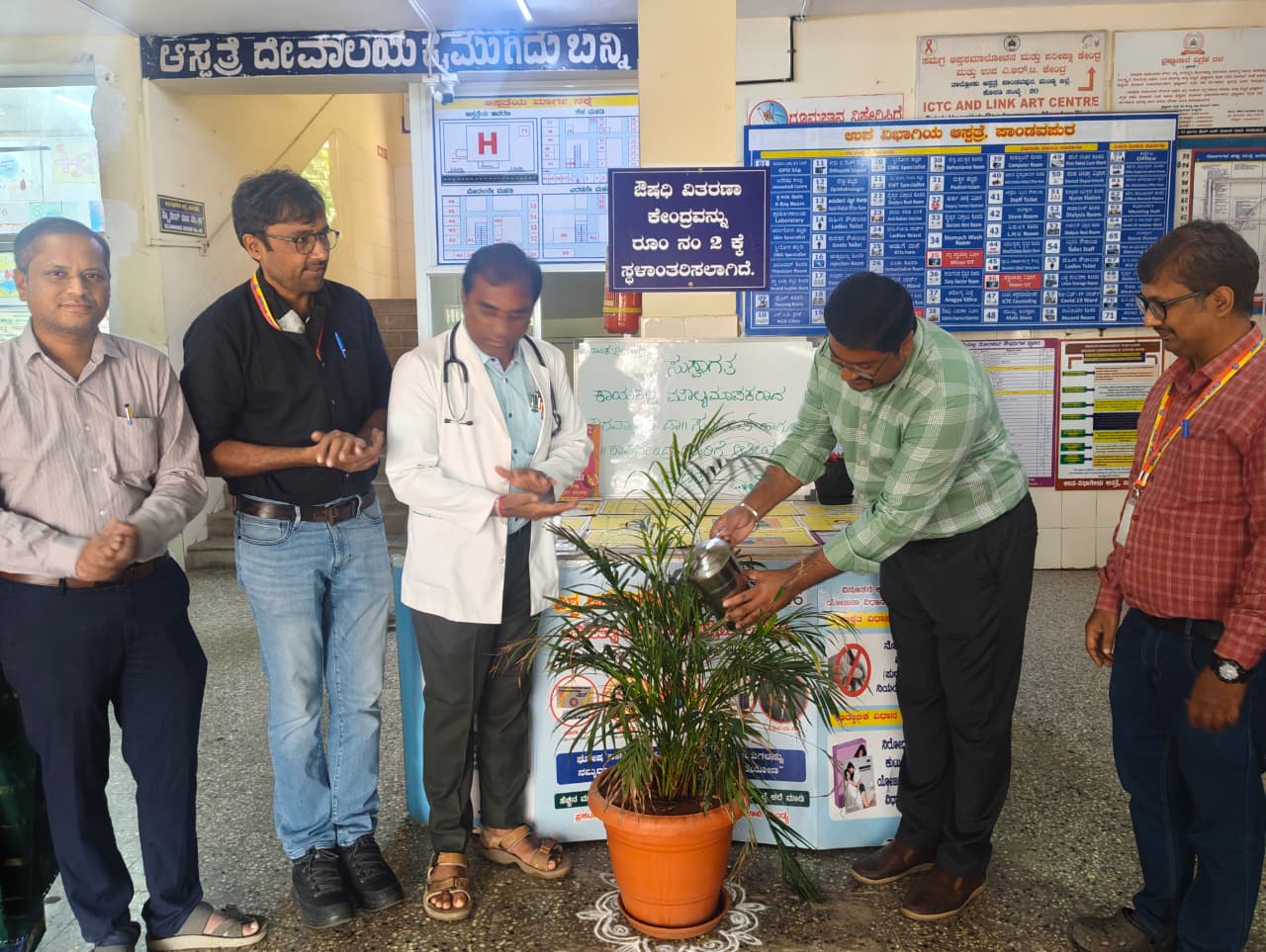
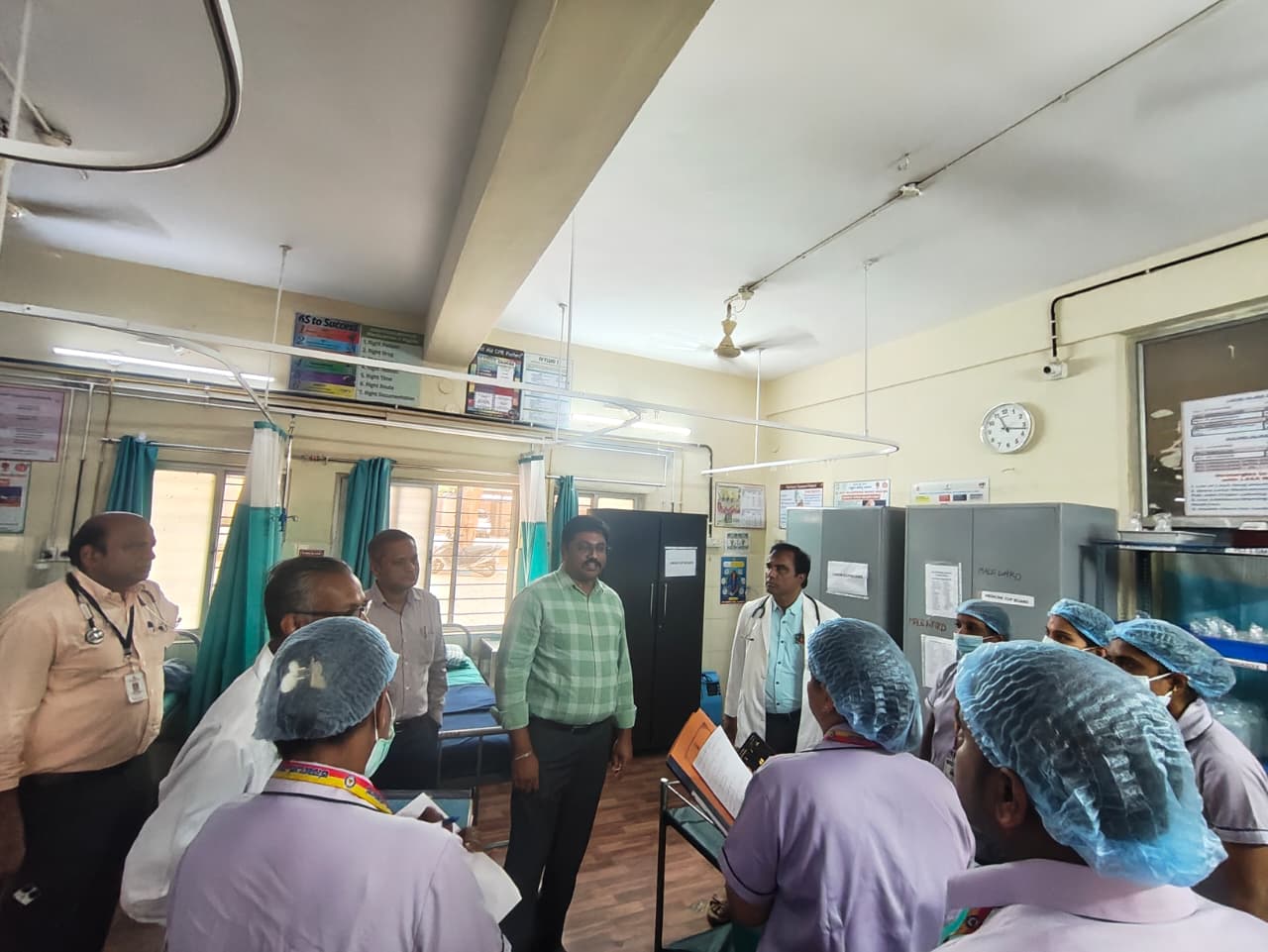
Kaya Kalpa 2026 was conducted as a hospital-based institutional programme on 25 September 2026 at Taluk Health Hospital, Pandavapura, in collaboration with the Department of Community Medicine. The programme focused on promoting cleanliness, hygiene, infection prevention, waste management and overall improvement in the quality of healthcare services. The event was attended by Dr. Raghavendra S. K., Professor and Head, Department of Community Medicine; Dr. Arvid, Taluk Health Officer, Pandavapura; Dr. Sandesh, Anaesthetist, K. R. Pete Taluk Hospital; and other healthcare staff of Taluk Health Hospital, Pandavapura. A total of 35 participants attended the programme.
The programme emphasized the importance of maintaining a clean and hygienic hospital environment, appropriate biomedical waste management, hand hygiene, sanitation and infection prevention practices. The participants were encouraged to actively contribute towards maintaining cleanliness in patient-care areas and hospital surroundings. Discussions also highlighted the importance of teamwork, regular monitoring and continuous quality improvement in healthcare facilities. The programme provided an opportunity for healthcare personnel to understand their individual and collective responsibilities in maintaining standards of cleanliness and patient safety. Overall, the event promoted awareness and encouraged the adoption of sustainable good practices for creating a clean, safe and patient-friendly healthcare environment.
|
|
12
|
Feedback Analysis (brief)
|
The participants found the Kaya Kalpa 2026 programme informative and relevant to routine hospital practices. The programme improved awareness regarding cleanliness, hygiene, biomedical waste management, infection prevention and maintenance of a safe healthcare environment. Participants appreciated the practical focus of the programme and expressed willingness to incorporate the discussed good practices into their daily work. The interaction also encouraged teamwork and greater responsibility towards maintaining hospital standards
|
|
13
|
Outcome
|
1. Improved awareness among healthcare staff regarding cleanliness, hygiene and infection prevention practices.
2. Increased understanding of appropriate waste management and maintenance of a safe hospital environment.
3. Strengthened commitment towards continuous quality improvement, teamwork and provision of patient-friendly healthcare services
|
|
14
|
SDG
|
1. SDG 3 – Good Health and Well-being
2. Promotes safe, hygienic and quality healthcare services, infection prevention and patient safety.
3. SDG 6 – Clean Water and Sanitation
4. Supports sanitation, cleanliness, safe water practices and proper hygiene within the healthcare facility.
5. SDG 12 – Responsible Consumption and Production
6. Encourages appropriate biomedical waste management, waste segregation and environmentally responsible hospital practices.
7. SDG 11 – Sustainable Cities and Communities
Contributes to creating clean, safe and sustainable healthcare environments within the community.
|